
Cultural
Protocols
Cultural
Protocols
Our cultural principles and philosophy are grounded in family-based community development activities and understandings. The PGNFC also believes strongly in the provision of client-centered, holistic and respectfully programming to individuals and families accessing our services. Our guiding values and beliefs are embedded in respectful and culturally appropriate practices as directed by Elders and other leaders versed in traditional ceremonies.
Cultural Advisor
We have made a commitment to the sacredness and importance of our cultural practices with a Cultural Advisor on site who plays a vital role in guiding and supporting cultural awareness, knowledge sharing, and connection to the community. This work is dedicated to preserving and sharing traditional knowledge, teachings, and practices that strengthen cultural identity and promote holistic well-being. The Cultural Advisor role is more than a job—it is a commitment to community, cultural preservation, and holistic support. It helps create a sense of belonging and unity, ensuring that cultural teachings remain a living part of everyday life.
Cultural Protocols & Responsibilities
Land acknowledgment: This is our formal commitment that recognizes and respects Lheidli T’enneh as the original stewards of the sacred land that we work upon. We commonly share land acknowledgement at the beginning of meetings, events, documents and in other ways when we bring people together. This protocol is meant to promote awareness, reflection, and accountability to the Nation, and to encourage ongoing learning and meaningful engagement with staff, clients and visitors to the Centre on behalf of the Nation.
Creating a Welcoming Environment: Ensure that individuals of all ages and backgrounds feel safe and respected, especially during times of crisis.
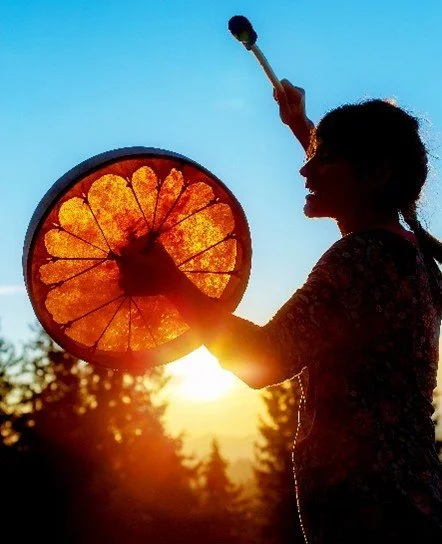
Teaching Cultural Practices: Facilitate activities such as traditional food preparation, drum making, beading, and other skills that connect youth with Elders and the community and keep traditions alive.
Supporting Community Healing: : Incorporate cultural teachings and spiritual practices into programs that promote emotional and spiritual wellness.
Building Cultural Understanding: Offer guidance and education to staff, clients, and community members about cultural protocols and traditions.
Fostering Intergenerational Learning: Work alongside Elders to pass down knowledge and ensure cultural continuity for future generations.