
Truth and
Reconciliation
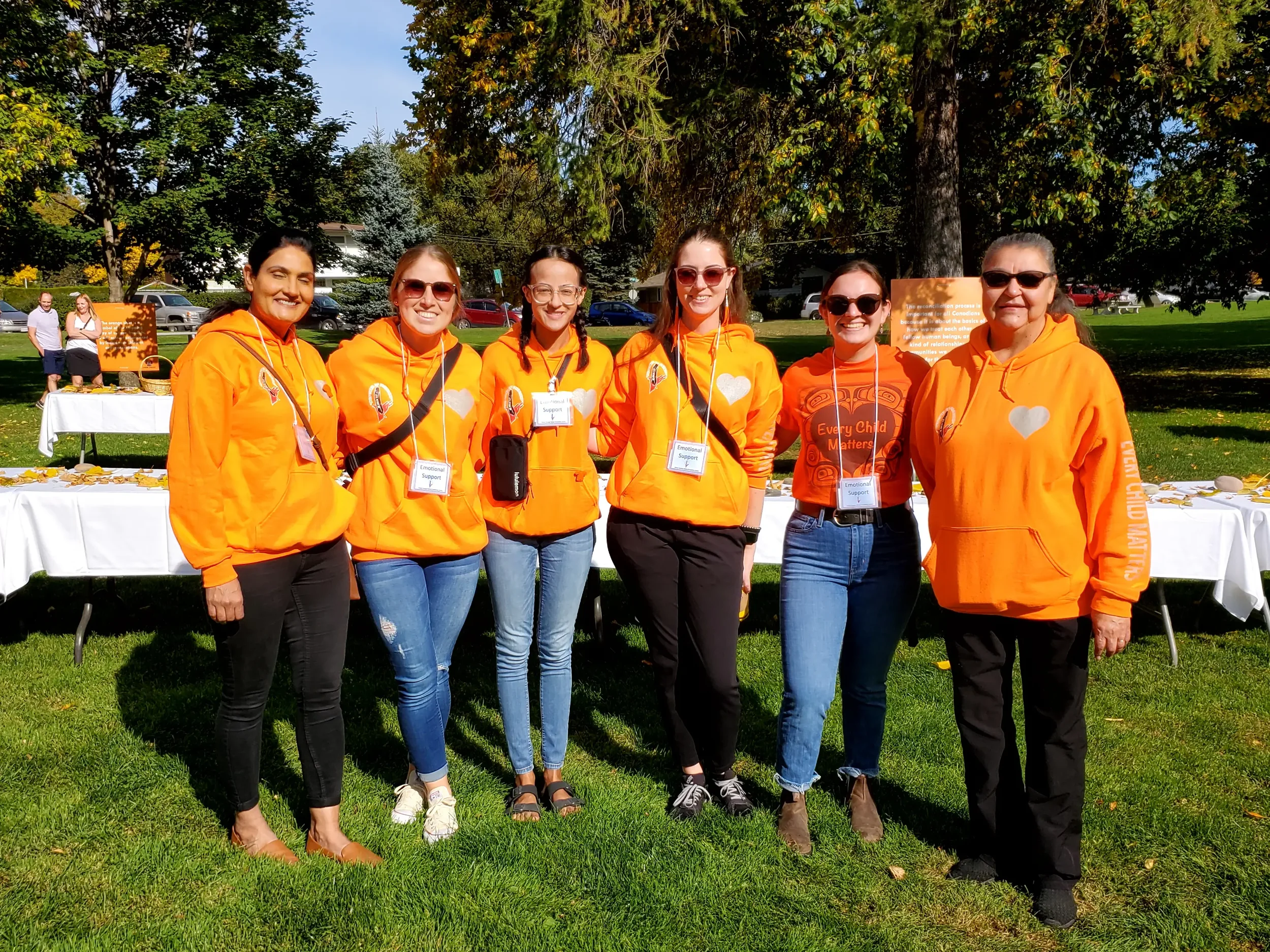
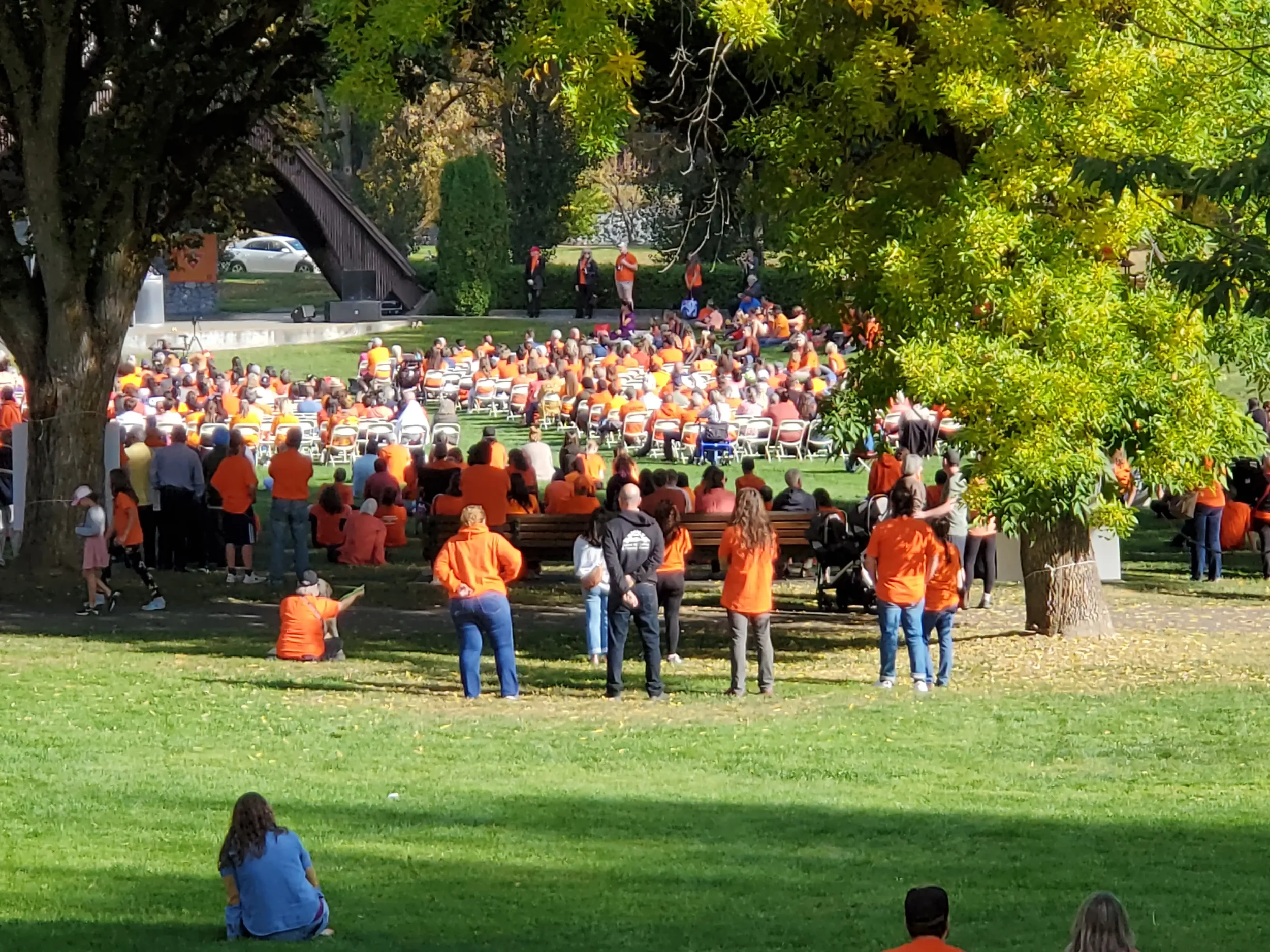
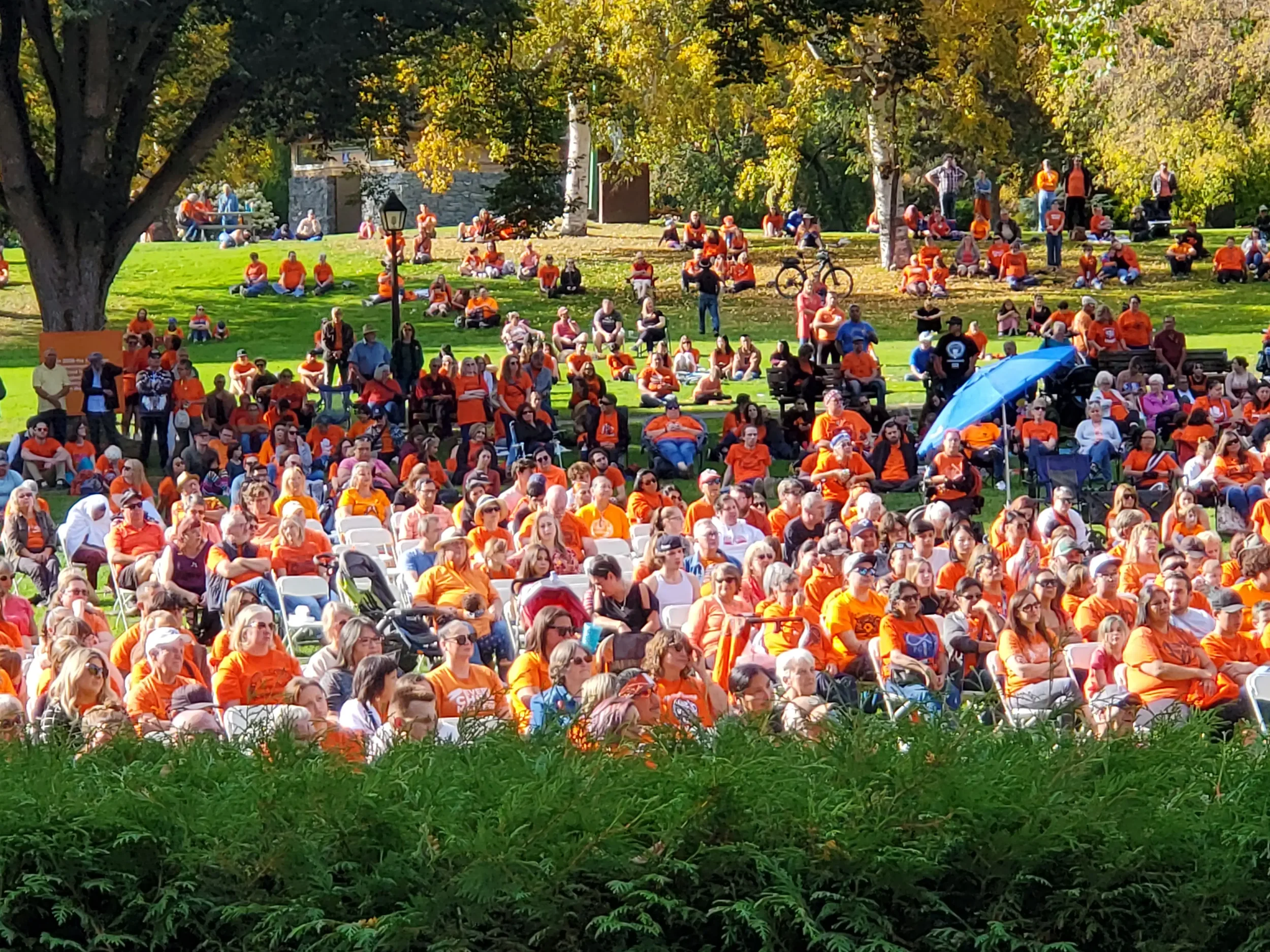
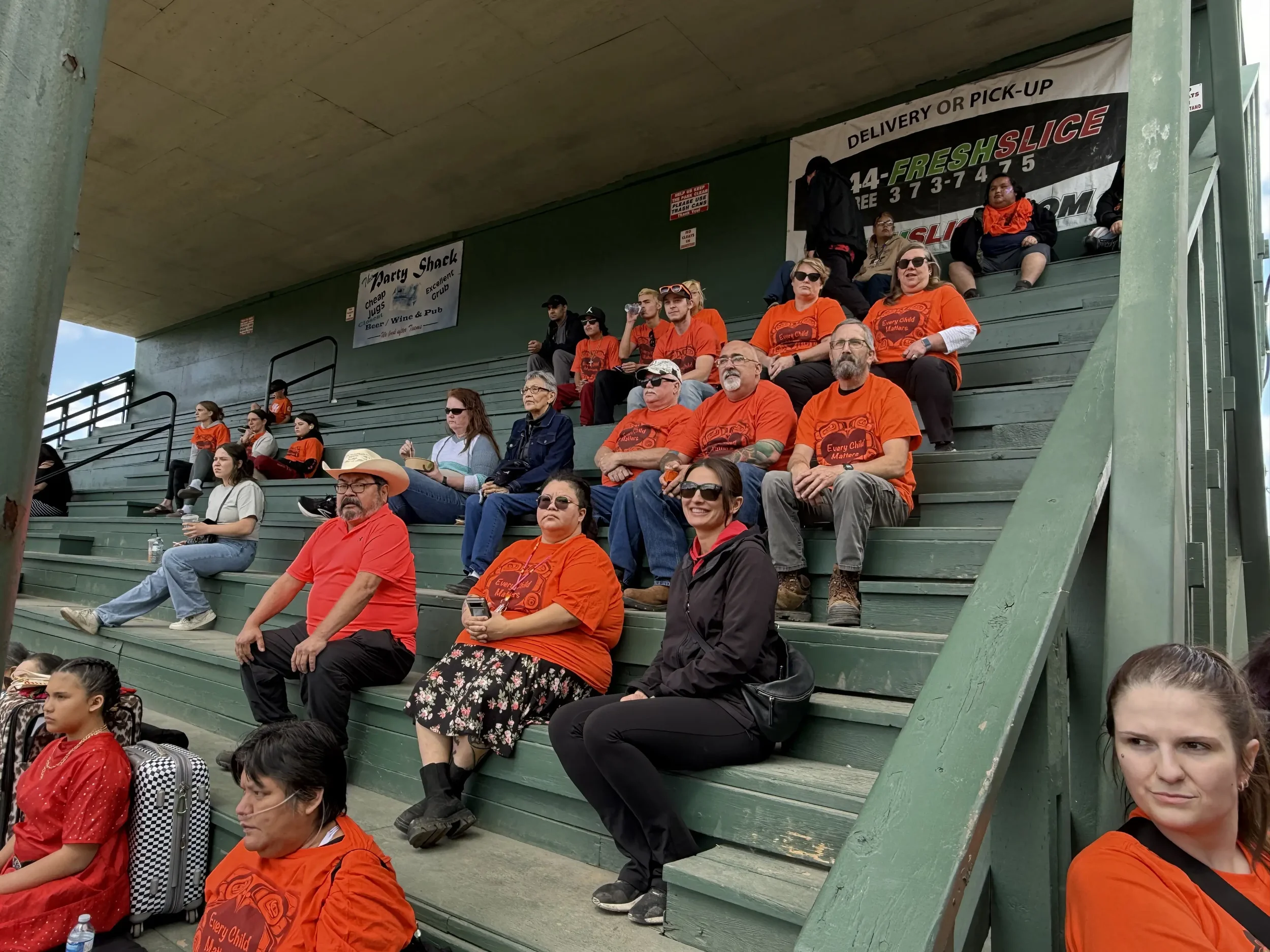
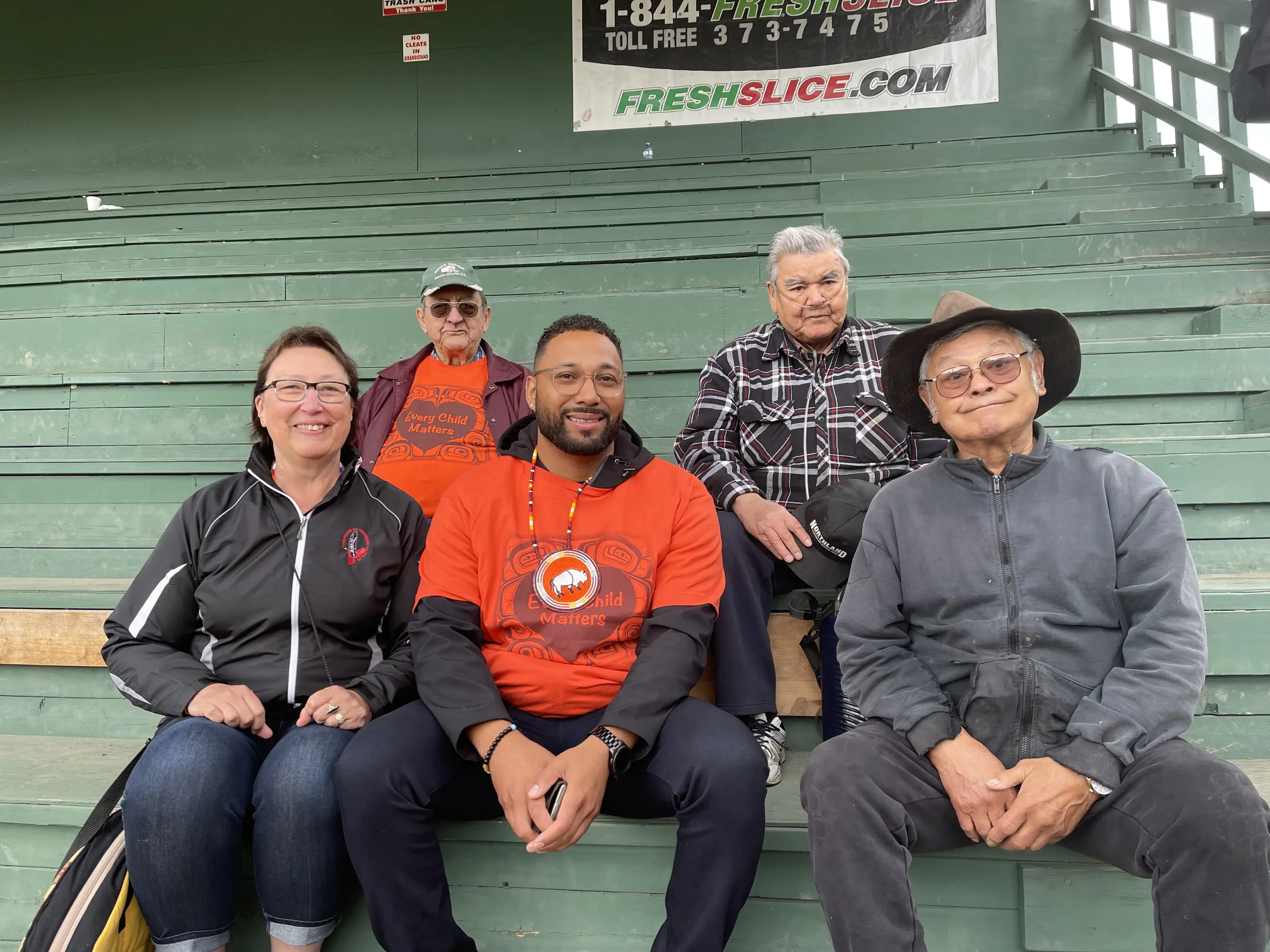
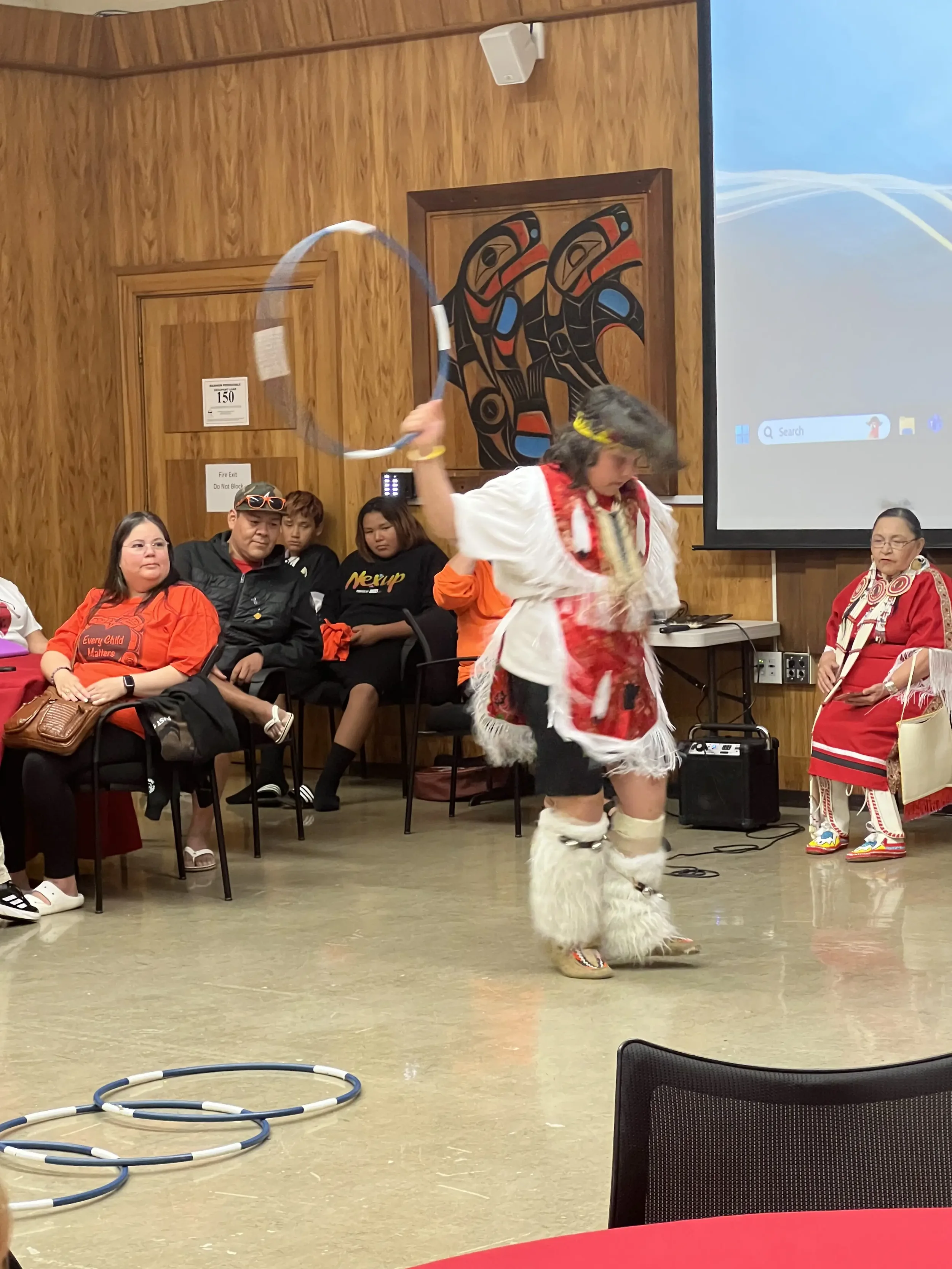
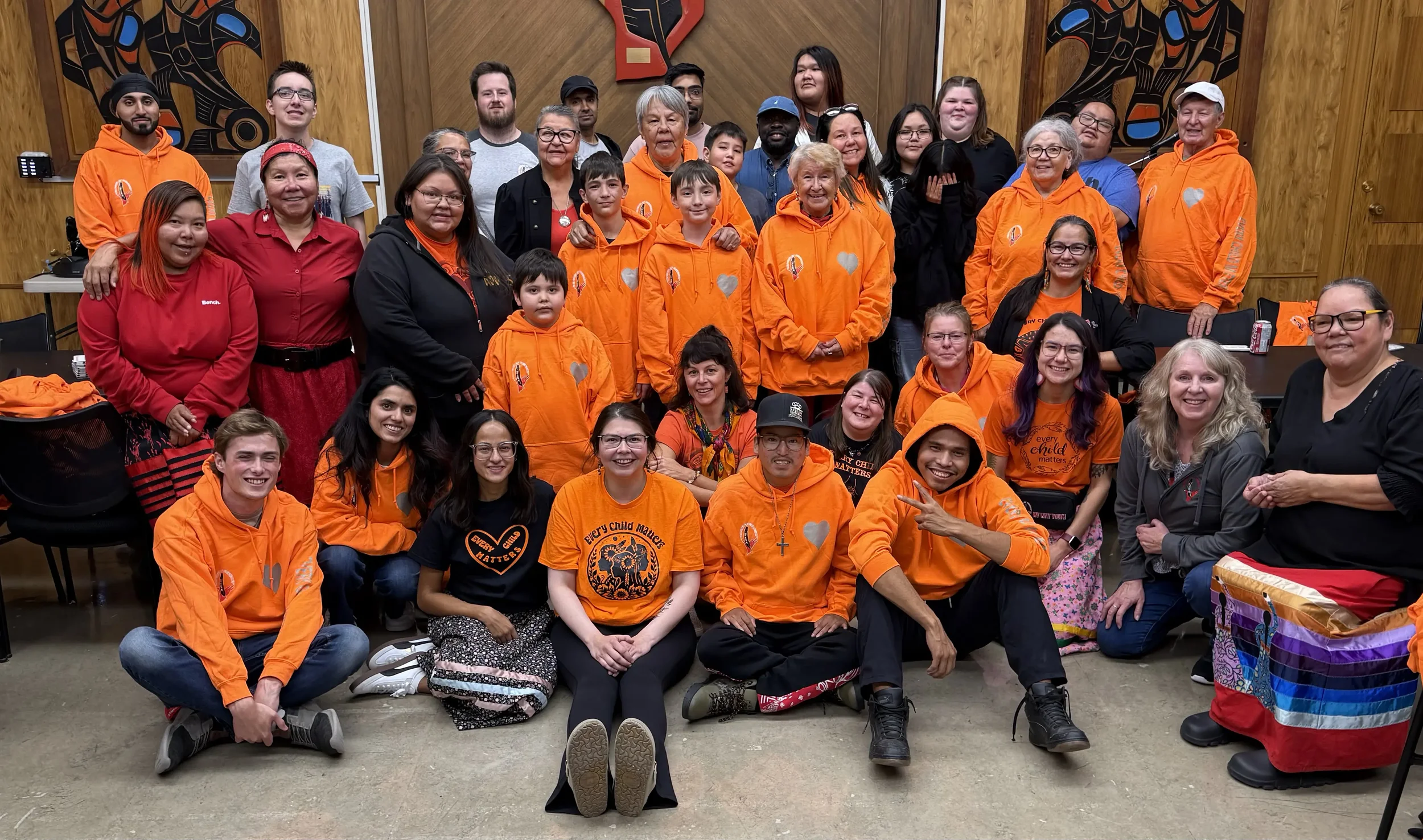
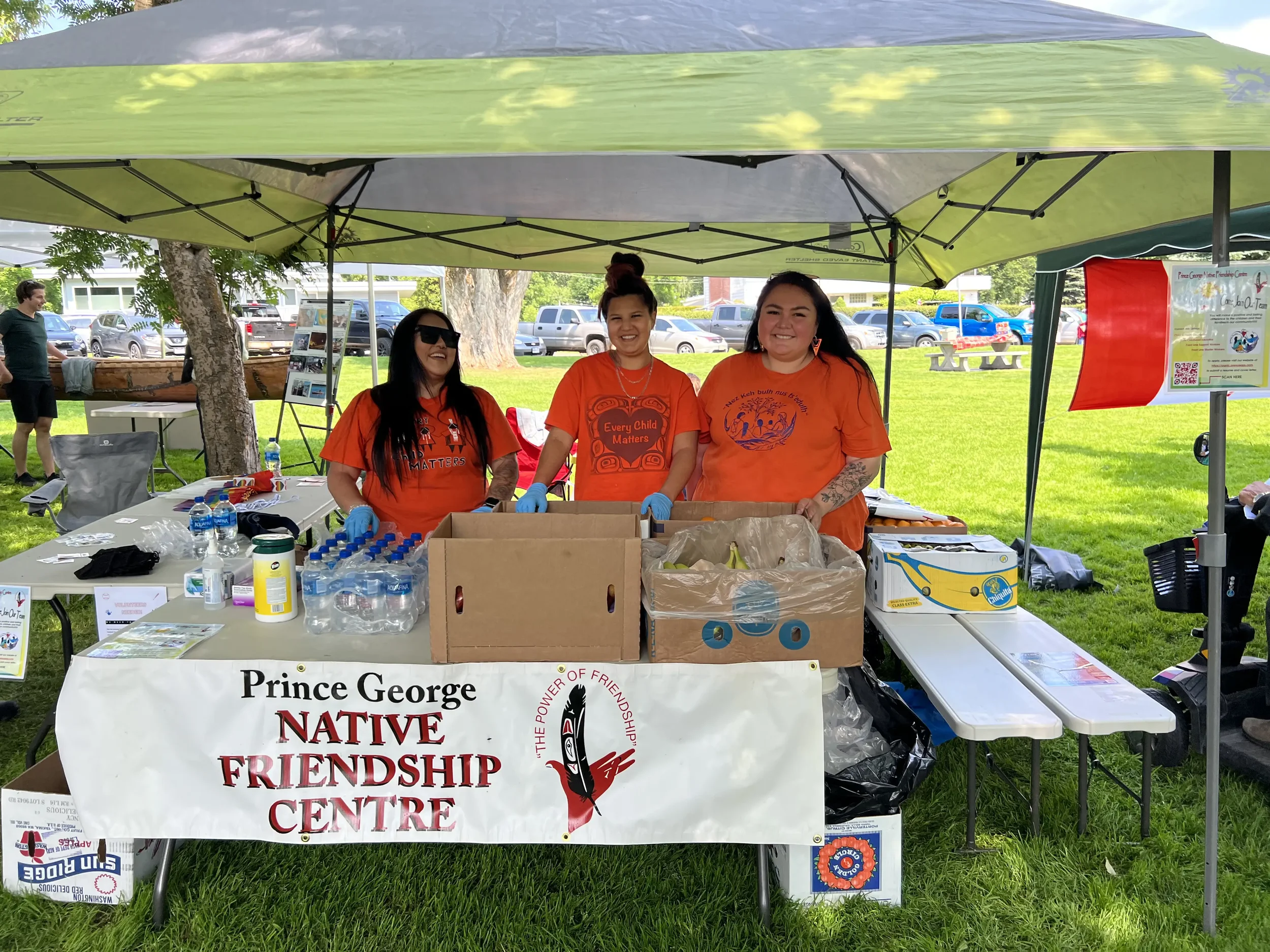
The Board of Directors, Senior Management Team and Staff of the Prince George Native Friendship Centre acknowledge the importance of National Truth and Reconciliation Day. In Canada, September 30th is the National Day for Truth and Reconciliation, as well as Orange Shirt Day, and is a day to recognize the wrongs that were done to Indigenous peoples across Turtle Island. It is a public recognition of a tragic and painful history and recognizes the ongoing intergenerational trauma, including violence towards Indigenous women, children and two-spirit+ people.
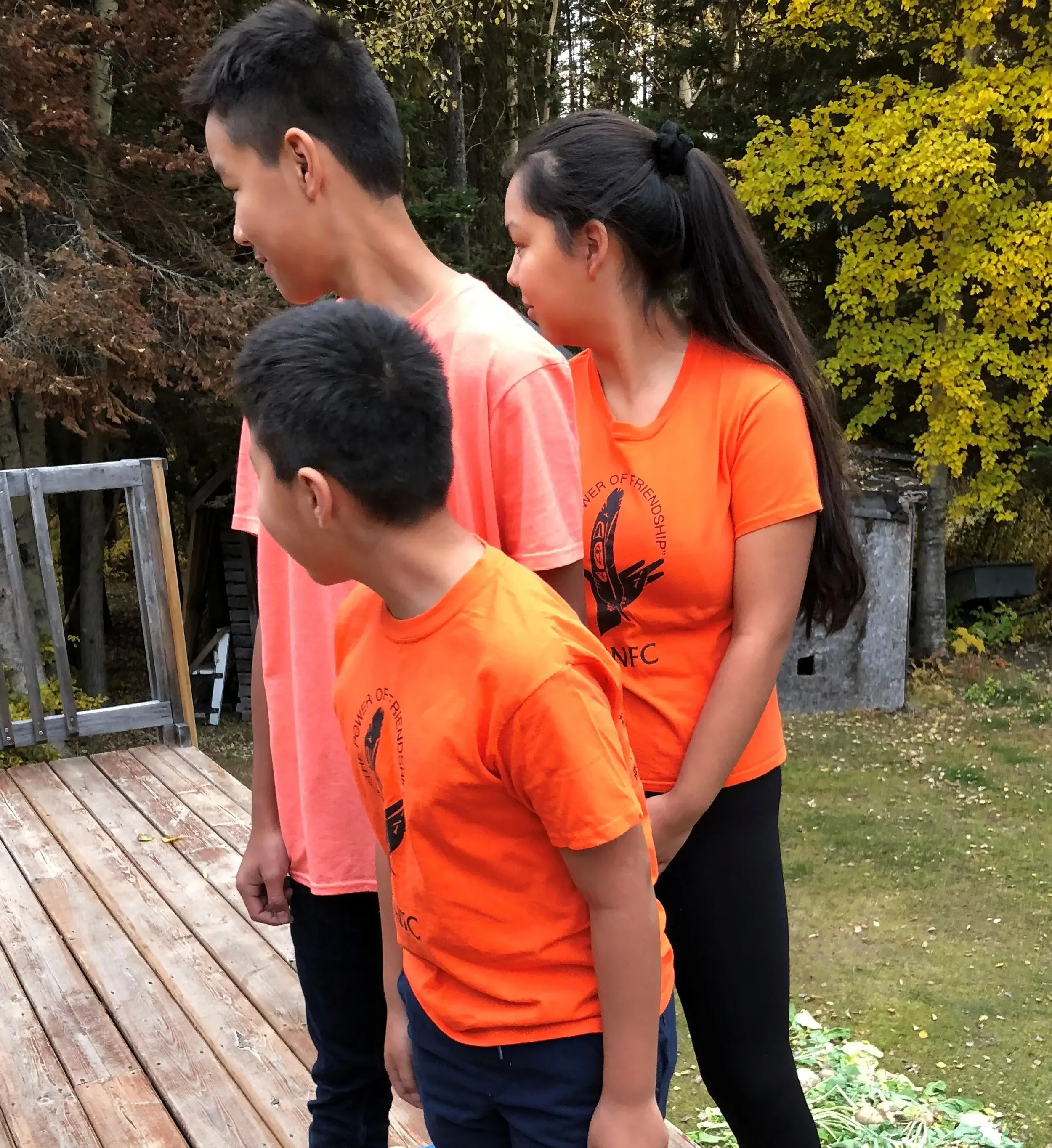
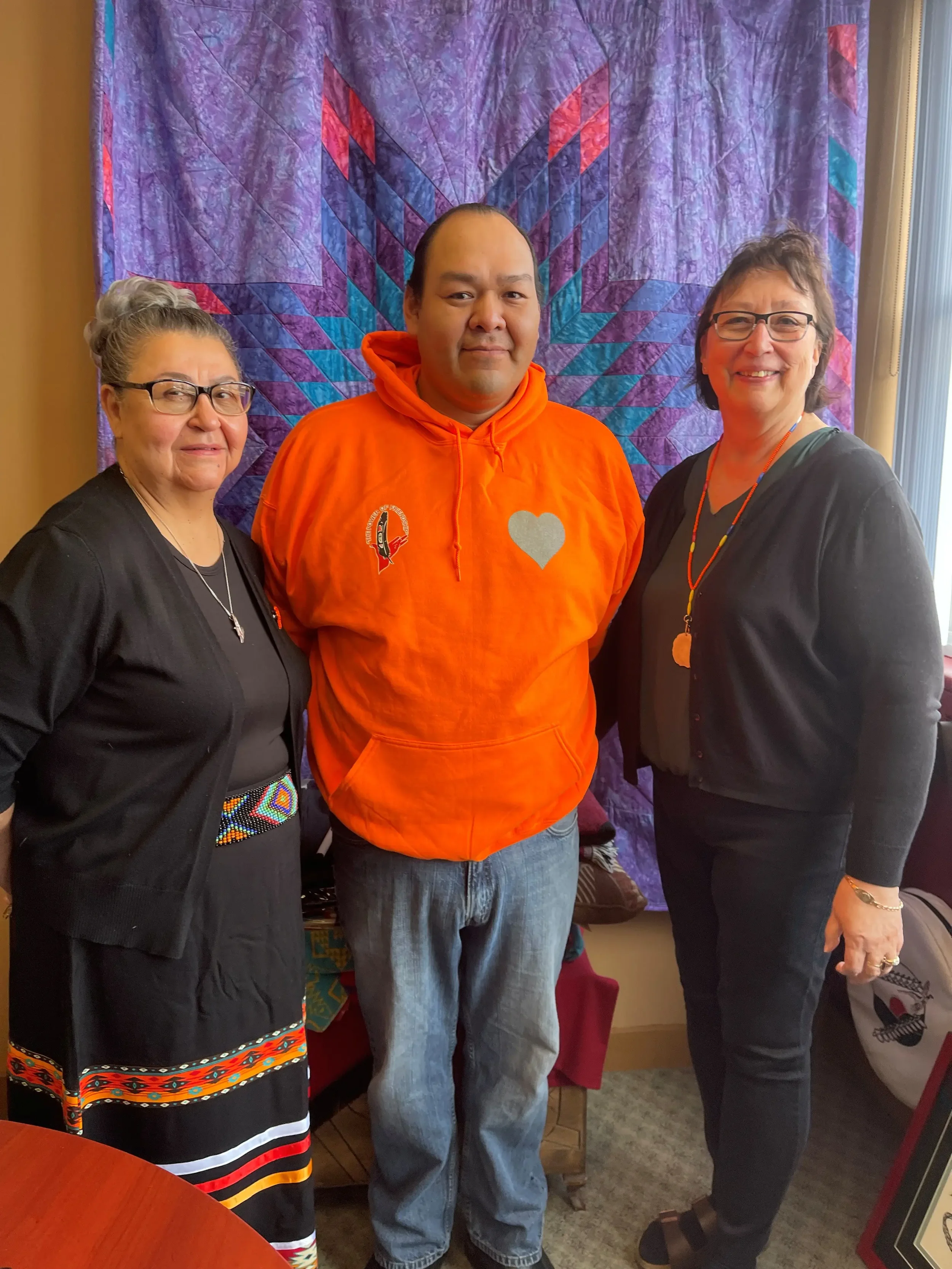
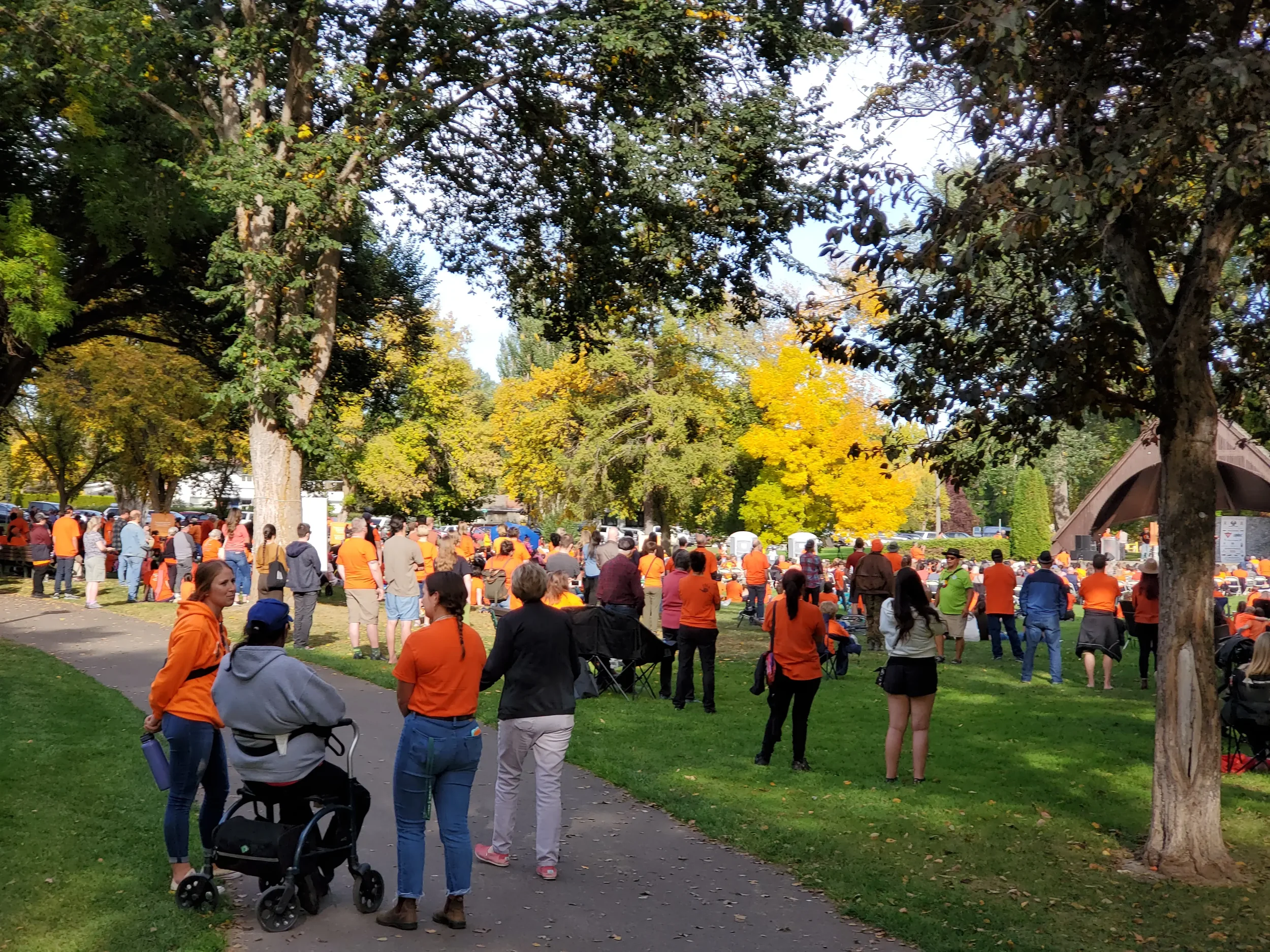
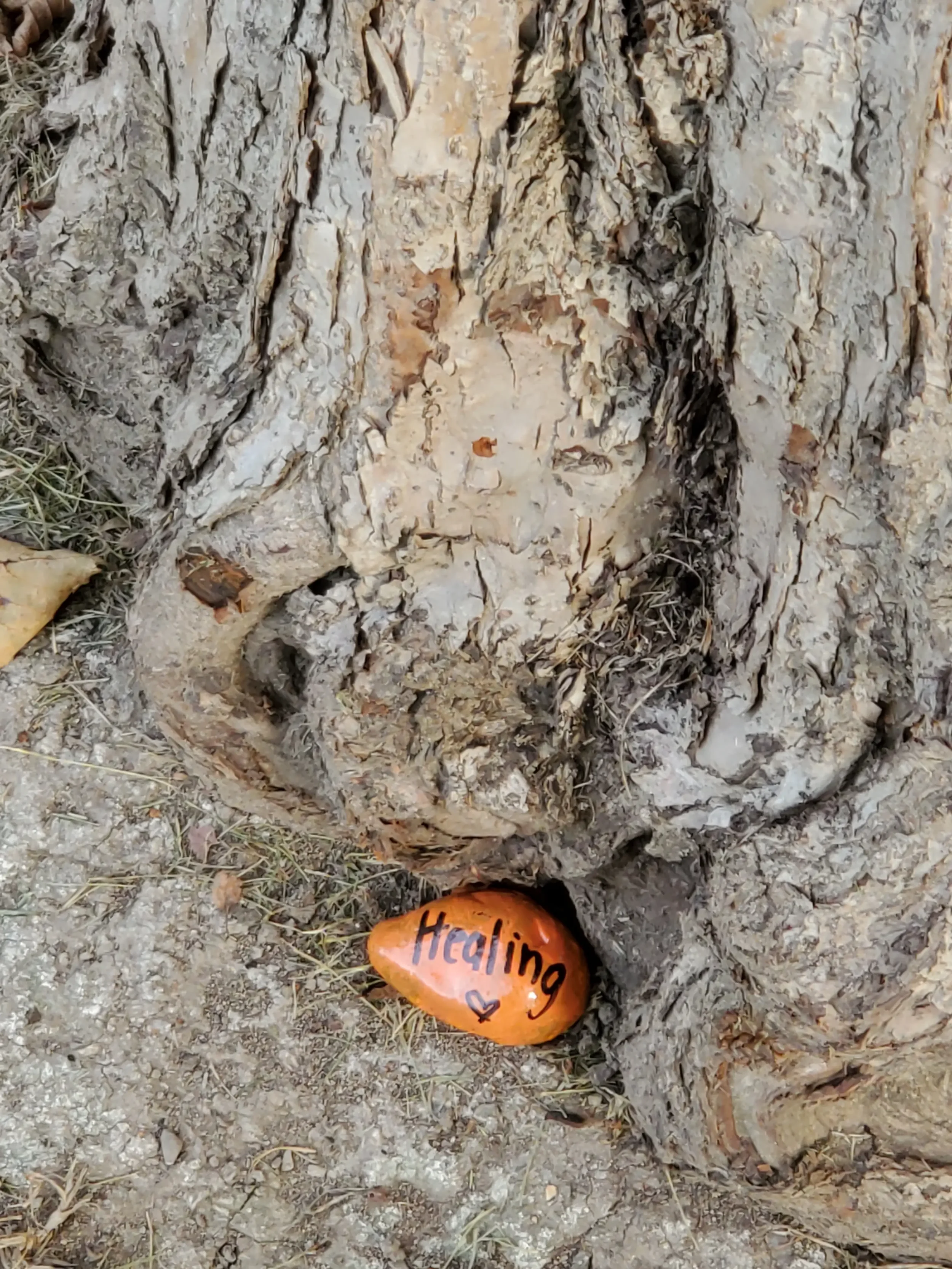
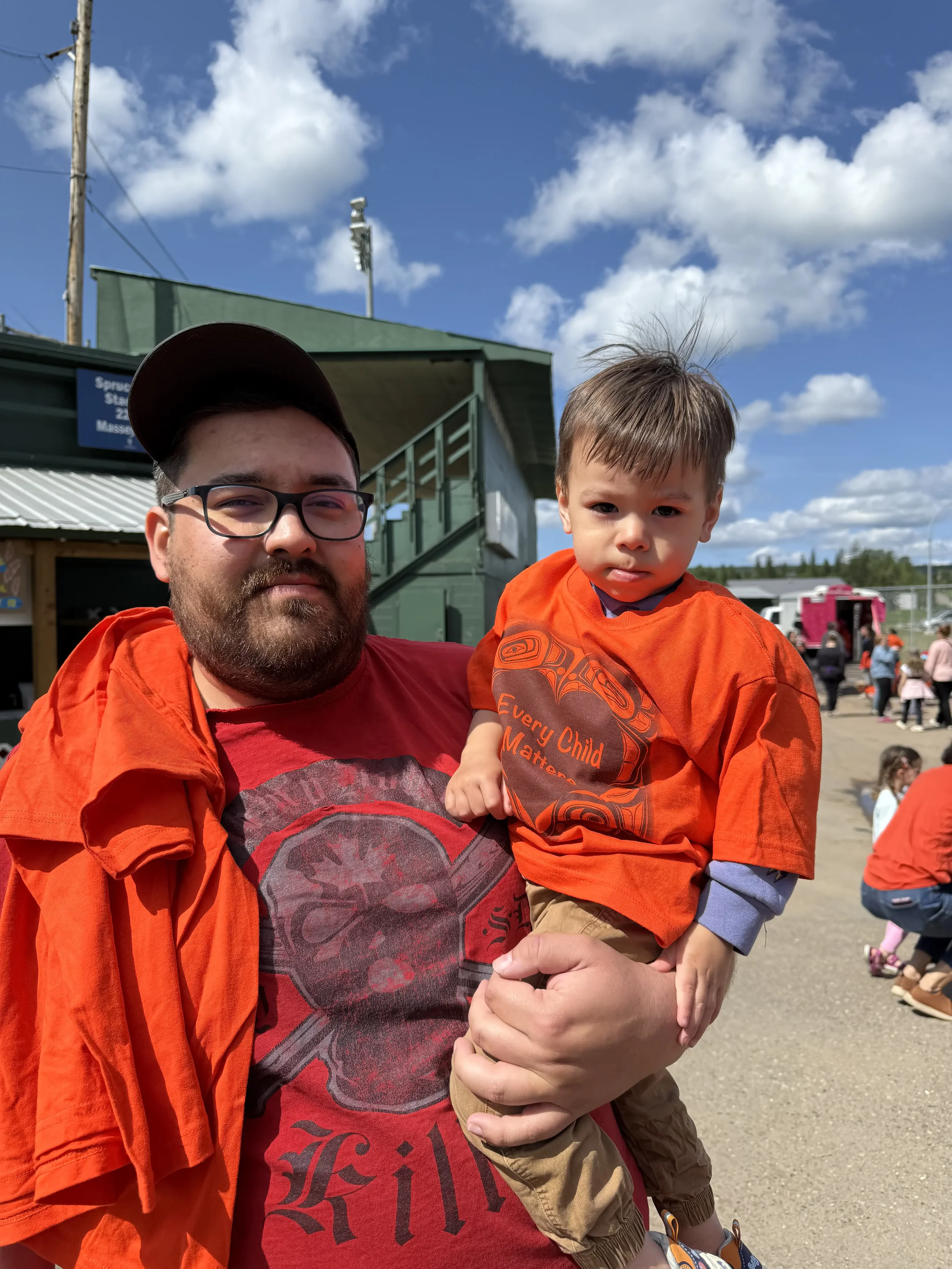
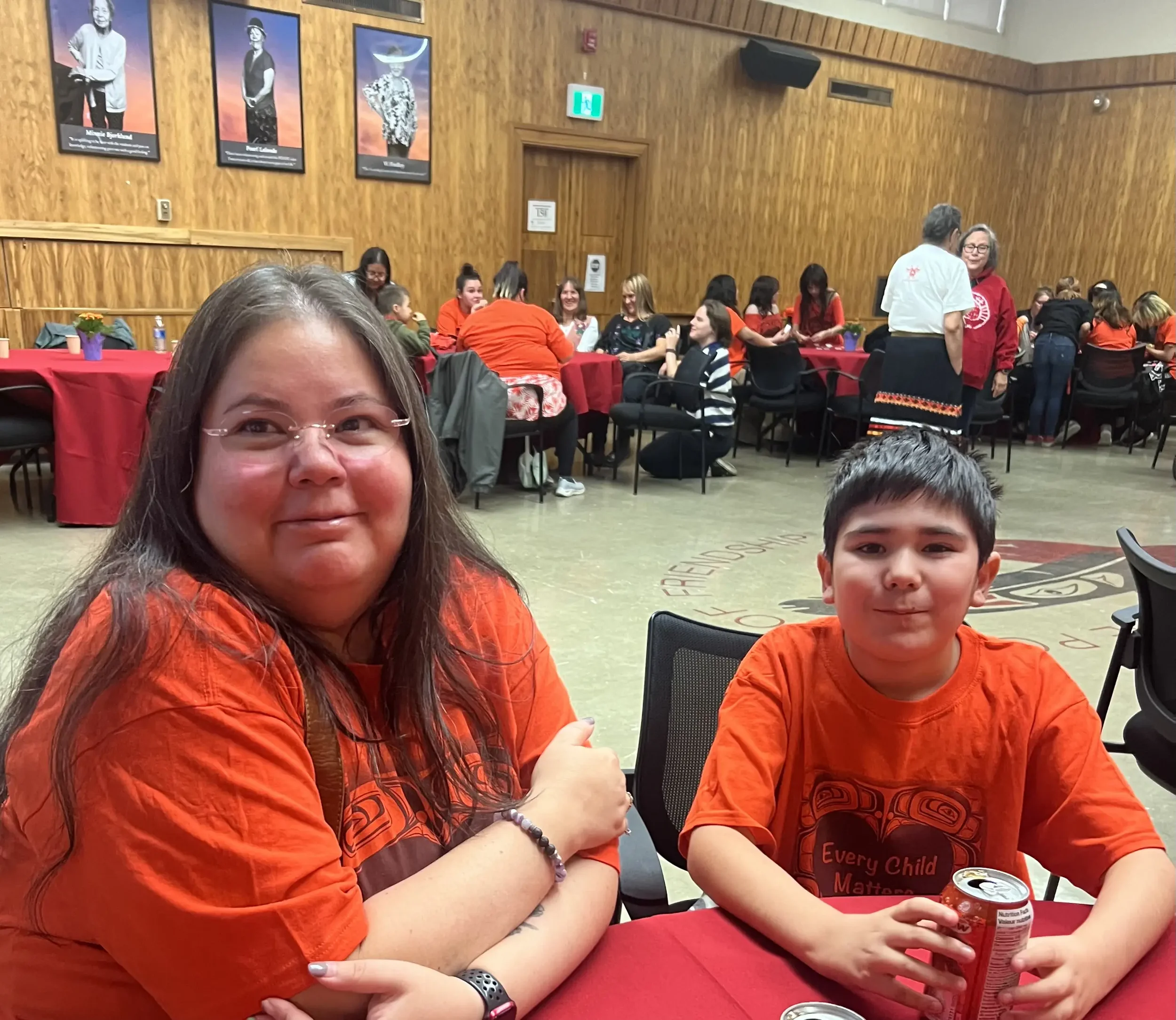
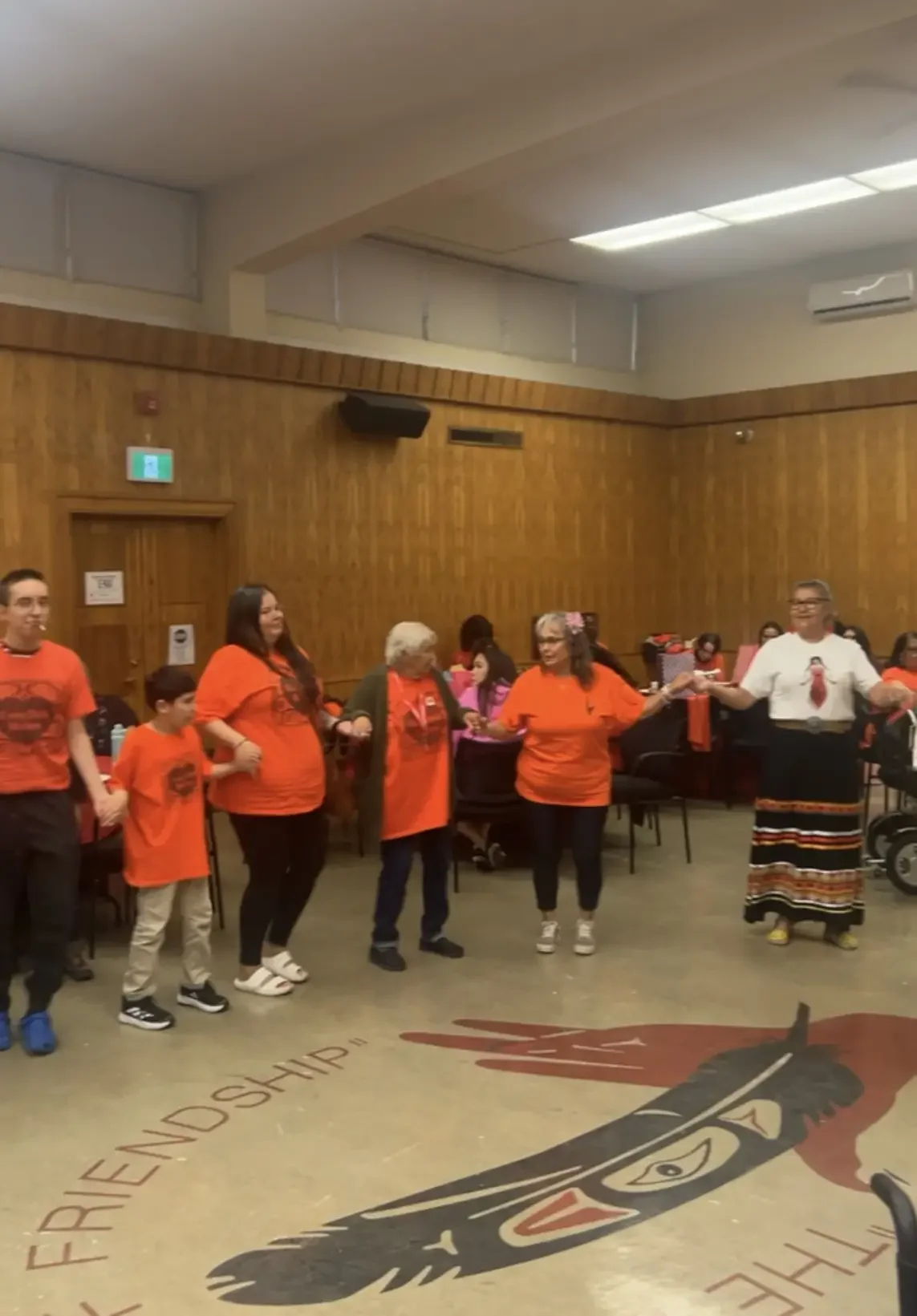
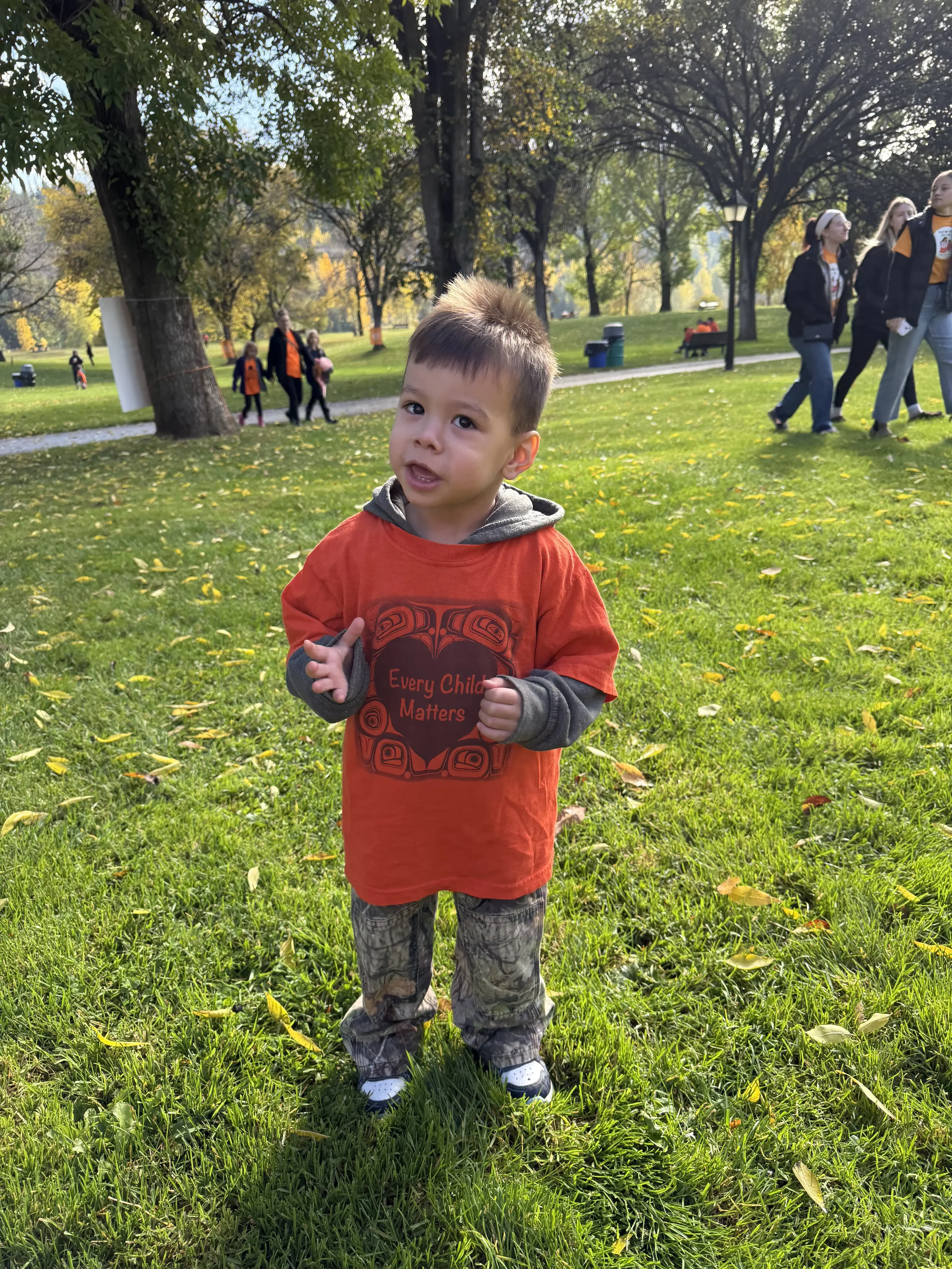
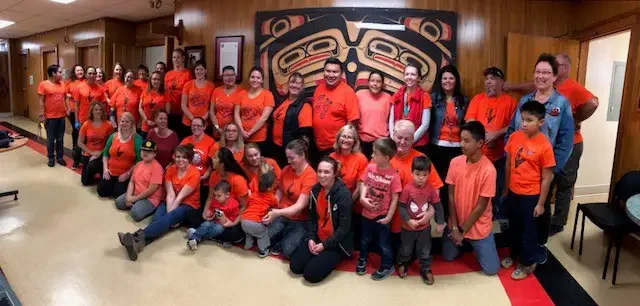
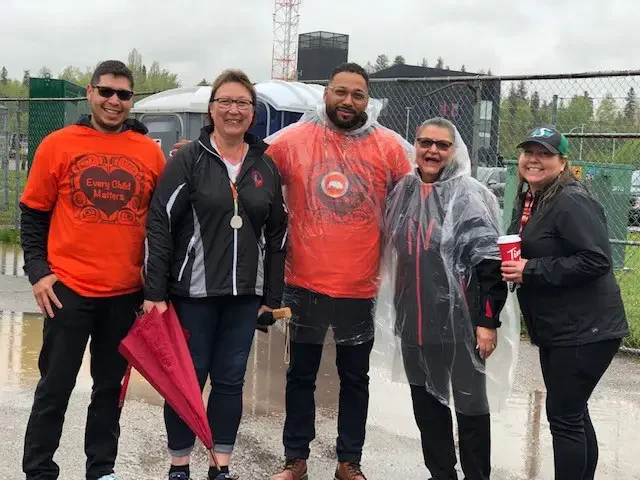
The Prince George Native Friendship Centre recognizes National Day for Truth and Reconciliation as a day of reflection of the past and present suffering of our stolen children. We encourage everyone to mark the National Day for Truth and Reconciliation by wearing orange to recognize the legacy of residential schools and the ongoing harms to Indigenous peoples. Wear orange in solidarity with Indigenous families and communities living daily with the long-term impacts of residential schools and because of these colonial practices have been disconnected from their families and their culture.
It is through this lens of reconciliation that the PGNFC is committed to
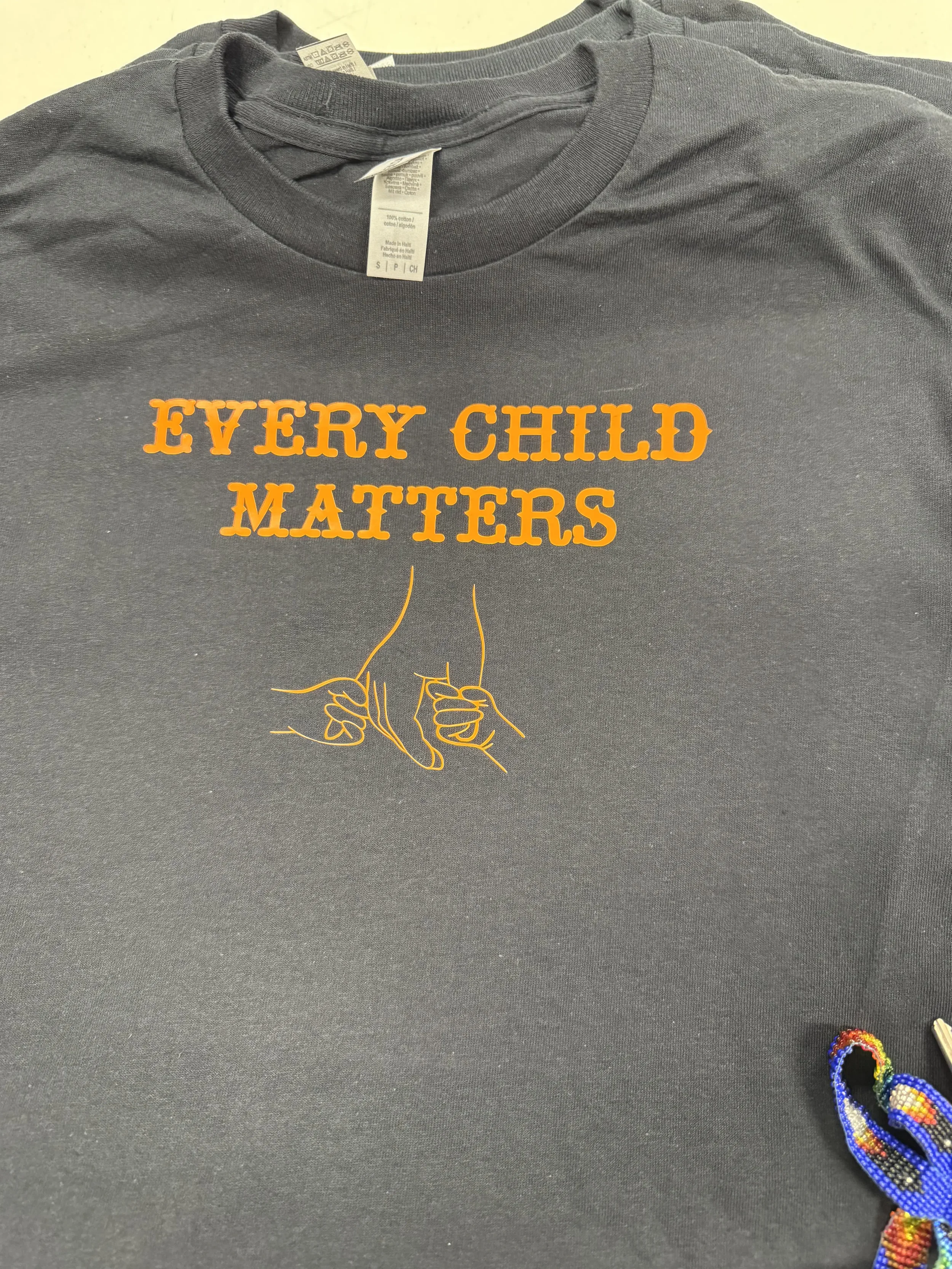
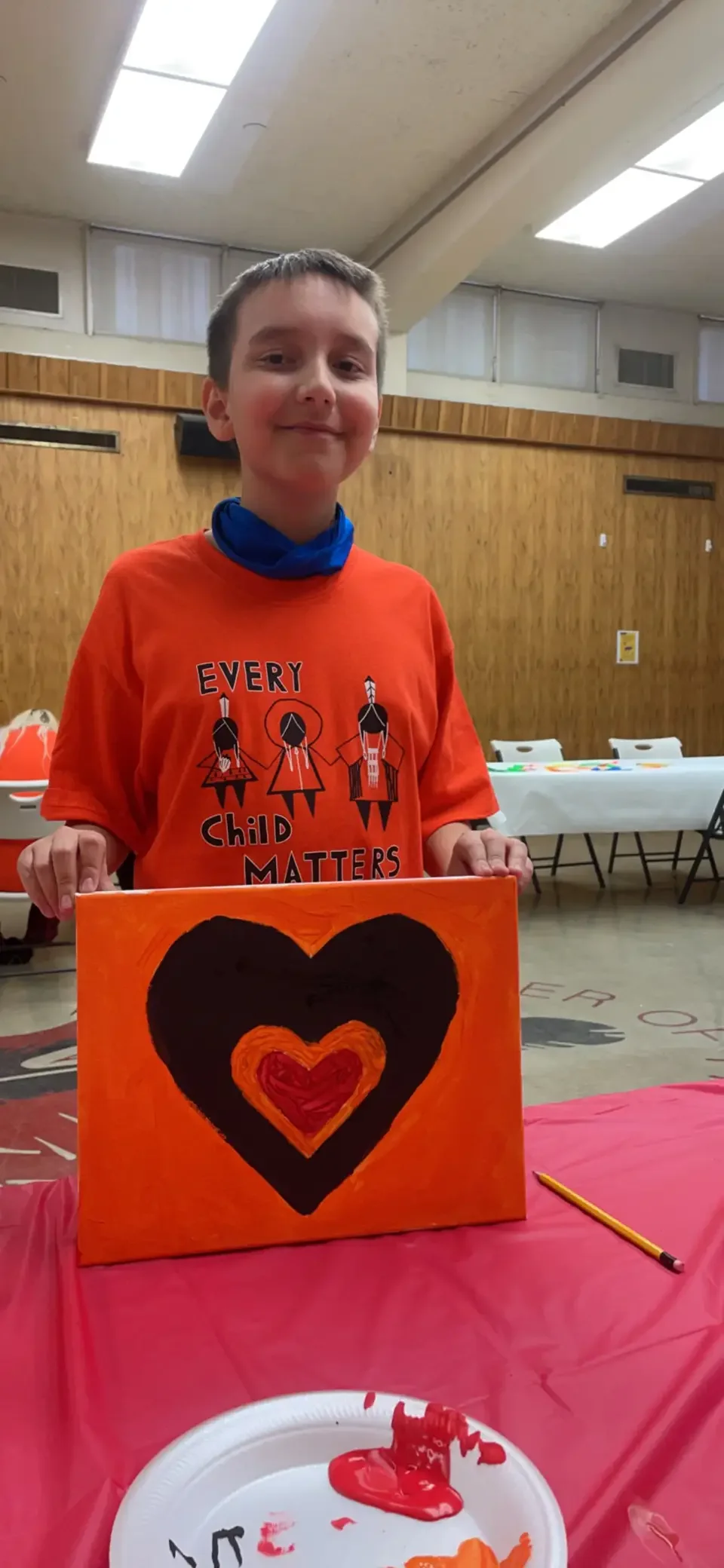
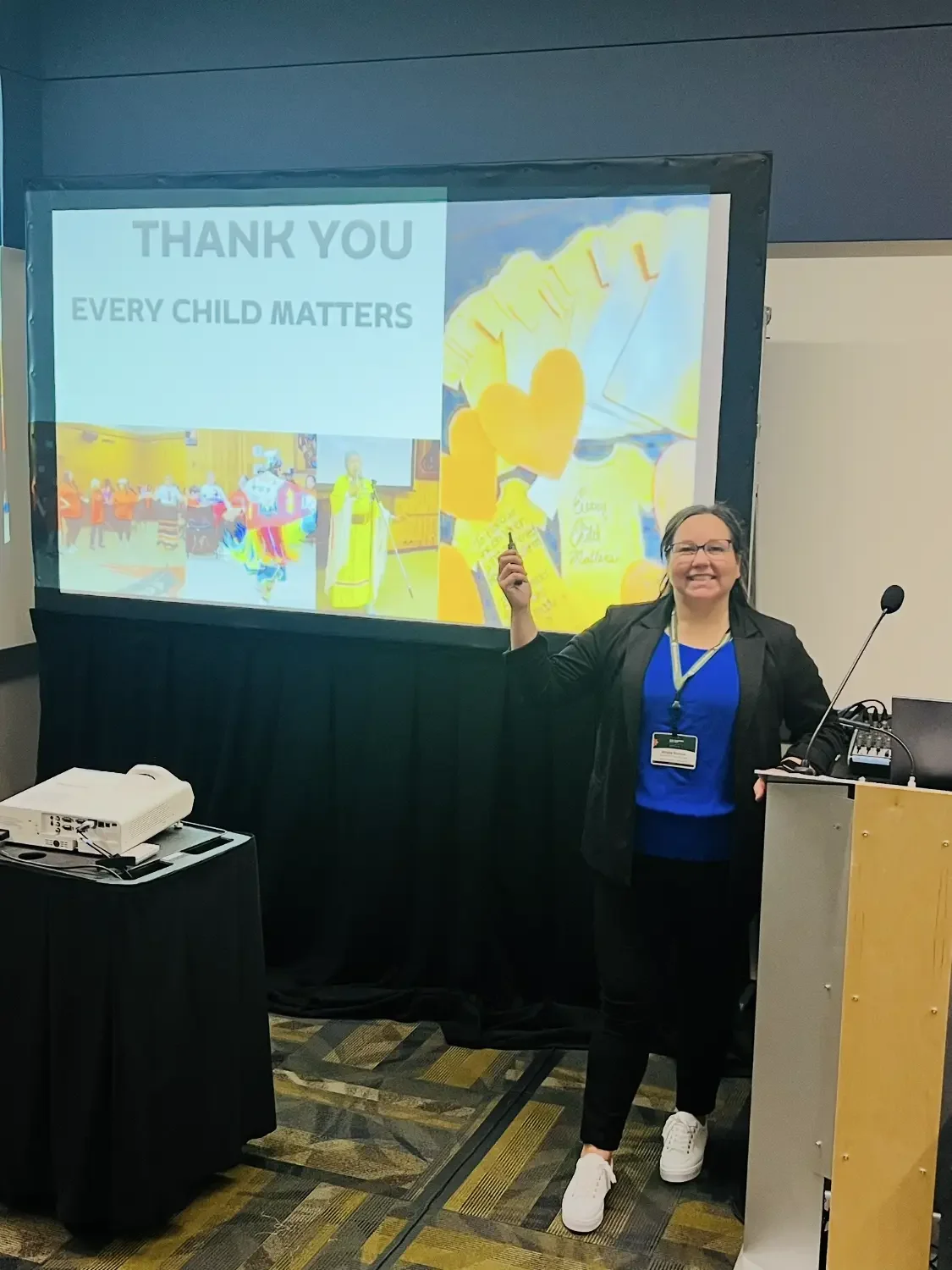
sharing in our everyday work that EVERY CHILD MATTERS.
Learn more about ORANGE SHIRT DAY and why EVERY CHILD MATTERS.
The Story of Orange Shirt Day: https://orangeshirtday.org/orange-shirt-day/
The Phyllis Webstad Story: https://orangeshirtday.org/phyllis-story/#story
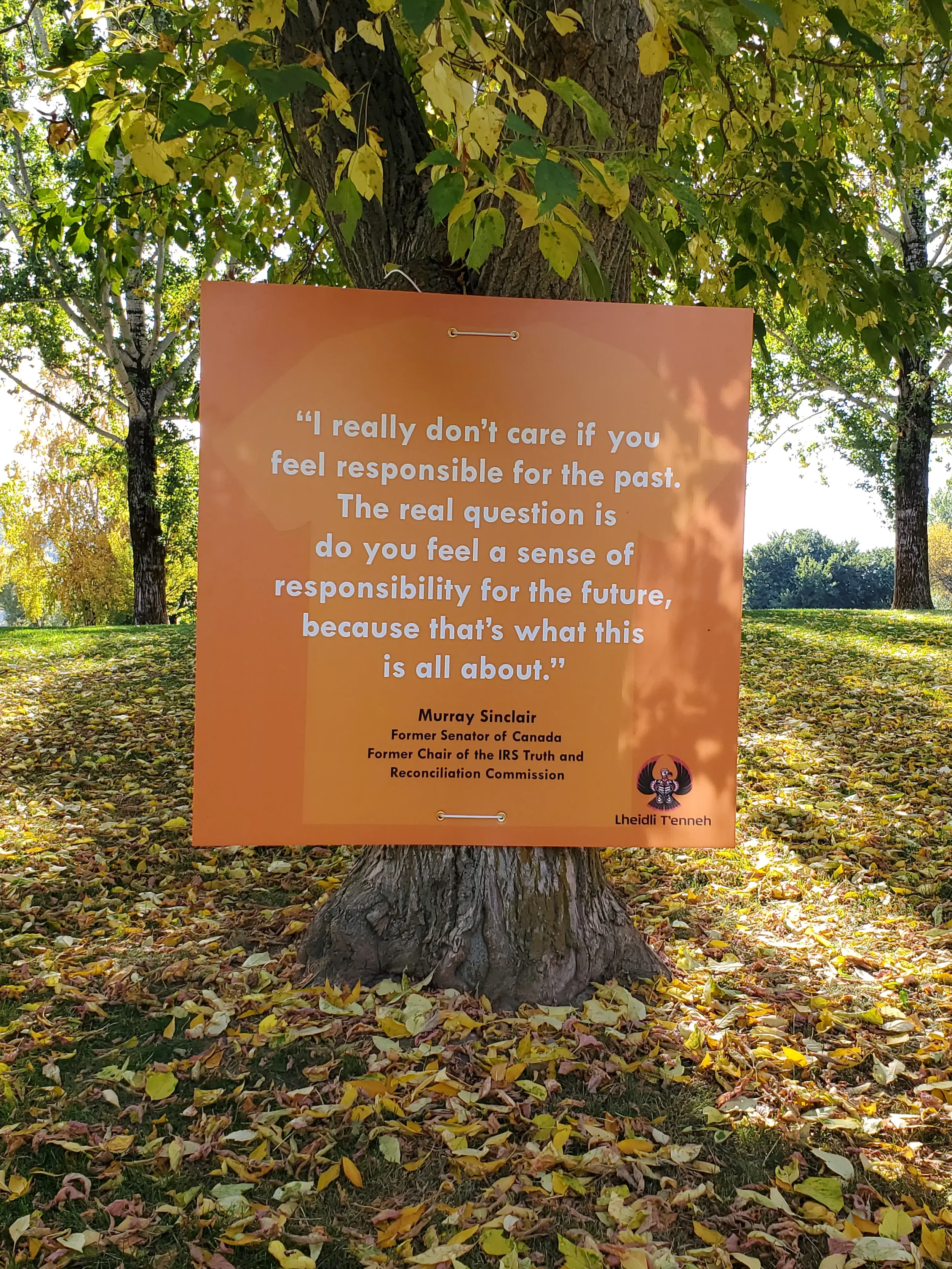
“Education is what got us into this mess and education is key to getting us out of it.”
94 Calls to Action
Overview
The Calls to Action are an appeal to mobilize all levels of government, organizations, as well as individuals to make concrete changes in society. They list specific actions to redress the legacy of residential schools and advance the process of Canadian reconciliation. The Calls to Action were released June 2, 2015, at the Truth and Reconciliation Commission of Canada’s closing event.
Calls to Action
In order to redress the legacy of residential schools and advance the process of Canadian reconciliation, the Truth and Reconciliation Commission makes the following calls to action.
Legacy
-
We call upon the federal, provincial, territorial, and Aboriginal governments to commit to reducing the number of Aboriginal children in care by
i) Monitoring and assessing neglect investigations.
ii) Providing adequate resources to enable Aboriginal communities and child-welfare
organizations to keep Aboriginal families together where it is safe to do so, and to
keep children in culturally appropriate environments, regardless of where they reside.
iii) Ensuring that social workers and others who conduct child-welfare investigations are
properly educated and trained about the history and impacts of residential schools.
iv) Ensuring that social workers and others who conduct child-welfare investigations are
properly educated and trained about the potential for Aboriginal communities and
families to provide more appropriate solutions to family healing.
v) Requiring that all child-welfare decision makers consider the impact of the
residential school experience on children and their caregivers.We call upon the federal government, in collaboration with the provinces and territories, to prepare and publish annual reports on the number of Aboriginal children (First Nations, Inuit, and Métis) who are in care, compared with non-Aboriginal children, as well as the reasons for apprehension, the total spending on preventive and care services by child-welfare agencies, and the effectiveness of various interventions.
We call upon all levels of government to fully implement Jordan’s Principle.
We call upon the federal government to enact Aboriginal child-welfare legislation that establishes national standards for Aboriginal child apprehension and custody cases and includes principles that:
i) Affirm the right of Aboriginal governments to establish and maintain their own
child-welfare agencies.
ii) Require all child-welfare agencies and courts to take the residential school legacy
into account in their decision making.
iii) Establish, as an important priority, a requirement that placements of Aboriginal
children into temporary and permanent care be culturally appropriate.We call upon the federal, provincial, territorial, and Aboriginal governments to develop culturally appropriate parenting programs for Aboriginal families.
-
6. We call upon the Government of Canada to repeal Section 43 of the Criminal Code of Canada.
7. We call upon the federal government to develop with Aboriginal groups a joint strategy to
eliminate educational and employment gaps between Aboriginal and non-Aboriginal
Canadians.8. We call upon the federal government to eliminate the discrepancy in federal education funding
for First Nations children being educated on reserves and those First Nations children being
educated off reserves.9. We call upon the federal government to prepare and publish annual reports comparing
funding for the education of First Nations children on and off reserves, as well as educational
and income attainments of Aboriginal peoples in Canada compared with non-Aboriginal
people.10. We call on the federal government to draft new Aboriginal education legislation with the full
participation and informed consent of Aboriginal peoples. The new legislation would include a
commitment to sufficient funding and would incorporate the following principles:
i) Providing sufficient funding to close identified educational achievement gaps within one
generation.
ii) Improving education attainment levels and success rates.
iii) Developing culturally appropriate curricula.
iv) Protecting the right to Aboriginal languages, including the teaching of Aboriginal
languages as credit courses.
v) Enabling parental and community responsibility, control, and accountability, similar to
what parents enjoy in public school systems.
vi) Enabling parents to fully participate in the education of their children.
vii) Respecting and honouring Treaty relationships.11. We call upon the federal government to provide adequate funding to end the backlog of First
Nations students seeking a post-secondary education.12. We call upon the federal, provincial, territorial, and Aboriginal governments to develop
culturally appropriate early childhood education programs for Aboriginal families. -
13. We call upon the federal government to acknowledge that Aboriginal rights include Aboriginal
language rights.14. We call upon the federal government to enact an Aboriginal Languages Act that incorporates
the following principles:
i) Aboriginal languages are a fundamental and valued element of Canadian culture and
society, and there is an urgency to preserve them.
ii) Aboriginal language rights are reinforced by the Treaties.
iii) The federal government has a responsibility to provide sufficient funds for Aboriginal-
language revitalization and preservation.
iv) The preservation, revitalization, and strengthening of Aboriginal languages and cultures
are best managed by Aboriginal people and communities.
v) Funding for Aboriginal language initiatives must reflect the diversity of Aboriginal
languages.15. We call upon the federal government to appoint, in consultation with Aboriginal groups, an
Aboriginal Languages Commissioner. The commissioner should help promote Aboriginal
languages and report on the adequacy of federal funding of Aboriginal-languages initiatives.16. We call upon post-secondary institutions to create university and college degree and diploma
programs in Aboriginal languages.17. We call upon all levels of government to enable residential school Survivors and their families
to reclaim names changed by the residential school system by waiving administrative costs
for a period of five years for the name-change process and the revision of official identity
documents, such as birth certificates, passports, driver’s licenses, health cards, status cards,
and social insurance numbers. -
18. We call upon the federal, provincial, territorial, and Aboriginal governments to acknowledge
that the current state of Aboriginal health in Canada is a direct result of previous Canadian
government policies, including residential schools, and to recognize and implement the
health-care rights of Aboriginal people as identified in international law, constitutional law,
and under the Treaties.19. We call upon the federal government, in consultation with Aboriginal peoples, to establish
measurable goals to identify and close the gaps in health outcomes between Aboriginal and
non-Aboriginal communities, and to publish annual progress reports and assess long term
trends. Such efforts would focus on indicators such as: infant mortality, maternal health,
suicide, mental health, addictions, life expectancy, birth rates, infant and child health issues,
chronic diseases, illness and injury incidence, and the availability of appropriate health
services.20. In order to address the jurisdictional disputes concerning Aboriginal people who do not reside
on reserves, we call upon the federal government to recognize, respect, and address the
distinct health needs of the Métis, Inuit, and off-reserve Aboriginal peoples.21. We call upon the federal government to provide sustainable funding for existing and new
Aboriginal healing centres to address the physical, mental, emotional, and spiritual harms
caused by residential schools, and to ensure that the funding of healing centres in Nunavut
and the Northwest Territories is a priority.22. We call upon those who can effect change within the Canadian health-care system to
recognize the value of Aboriginal healing practices and use them in the treatment of
Aboriginal patients in collaboration with Aboriginal healers and Elders where requested by
Aboriginal patients.23. We call upon all levels of government to:
i) Increase the number of Aboriginal professionals working in the health-care field.
ii) Ensure the retention of Aboriginal health-care providers in Aboriginal communities.
iii) Provide cultural competency training for all health-care professionals.24. We call upon medical and nursing schools in Canada to require all students to take a course
dealing with Aboriginal health issues, including the history and legacy of residential schools,
the United Nations Declaration on the Rights of Indigenous Peoples, Treaties and Aboriginal
rights, and Indigenous teachings and practices. This will require skills-based training in
intercultural competency, conflict resolution, human rights, and anti-racism. -
25. We call upon the federal government to establish a written policy that reaffirms the
independence of the Royal Canadian Mounted Police to investigate crimes in which the
government has its own interest as a potential or real party in civil litigation.26. We call upon the federal, provincial, and territorial governments to review and amend their
respective statutes of limitations to ensure that they conform to the principle that
governments and other entities cannot rely on limitation defenses to defend legal actions of
historical abuse brought by Aboriginal people.27. We call upon the Federation of Law Societies of Canada to ensure that lawyers receive
appropriate cultural competency training, which includes the history and legacy of residential
schools, the United Nations Declaration on the Rights of Indigenous Peoples, Treaties and
Aboriginal rights, Indigenous law, and Aboriginal–Crown relations. This will require skills-based
training in intercultural competency, conflict resolution, human rights, and anti-racism.28. We call upon law schools in Canada to require all law students to take a course in Aboriginal
people and the law, which includes the history and legacy of residential schools, the United
Nations Declaration on the Rights of Indigenous Peoples, Treaties and Aboriginal rights,
Indigenous law, and Aboriginal–Crown relations. This will require skills-based training in
intercultural competency, conflict resolution, human rights, and antiracism.29. We call upon the parties and, in particular, the federal government, to work collaboratively
with plaintiffs not included in the Indian Residential Schools Settlement Agreement to have
disputed legal issues determined expeditiously on an agreed set of facts.30. We call upon federal, provincial, and territorial governments to commit to eliminating the
overrepresentation of Aboriginal people in custody over the next decade, and to issue
detailed annual reports that monitor and evaluate progress in doing so.31. We call upon the federal, provincial, and territorial governments to provide sufficient and
stable funding to implement and evaluate community sanctions that will provide realistic
alternatives to imprisonment for Aboriginal offenders and respond to the underlying causes of
offending.32. We call upon the federal government to amend the Criminal Code to allow trial judges, upon
giving reasons, to depart from mandatory minimum sentences and restrictions on the use of
conditional sentences.33. We call upon the federal, provincial, and territorial governments to recognize as a high priority
the need to address and prevent Fetal Alcohol Spectrum Disorder (FASD), and to develop, in
collaboration with Aboriginal people, FASD preventive programs that can be delivered in a
culturally appropriate manner.34. We call upon the governments of Canada, the provinces, and territories to undertake reforms
to the criminal justice system to better address the needs of offenders with Fetal Alcohol
Spectrum Disorder (FASD), including:i) Providing increased community resources and powers for courts to ensure that FASD is
properly diagnosed, and that appropriate community supports are in place for those with
FASD.
ii) Enacting statutory exemptions from mandatory minimum sentences of imprisonment for
offenders affected by FASD.
iii) Providing community, correctional, and parole resources to maximize the ability of
people with FASD to live in the community.
iv) Adopting appropriate evaluation mechanisms to measure the effectiveness of such
programs and ensure community safety.35. We call upon the federal government to eliminate barriers to the creation of additional
Aboriginal healing lodges within the federal correctional system.36. We call upon the federal, provincial, and territorial governments to work with Aboriginal
communities to provide culturally relevant services to inmates on issues such as substance
abuse, family and domestic violence, and overcoming the experience of having been sexually
abused.37. We call upon the federal government to provide more supports for Aboriginal programming in
halfway houses and parole services.38. We call upon the federal, provincial, territorial, and Aboriginal governments to commit to
eliminating the overrepresentation of Aboriginal youth in custody over the next decade.39. We call upon the federal government to develop a national plan to collect and publish data
on the criminal victimization of Aboriginal people, including data related to homicide and
family violence victimization.40. We call on all levels of government, in collaboration with Aboriginal people, to create
adequately funded and accessible Aboriginal-specific victim programs and services with
appropriate evaluation mechanisms.41. We call upon the federal government, in consultation with Aboriginal organizations, to appoint
a public inquiry into the causes of, and remedies for, the disproportionate victimization of
Aboriginal women and girls. The inquiry’s mandate would include:
i) Investigation into missing and murdered Aboriginal women and girls.
ii) Links to the intergenerational legacy of residential schools.42. We call upon the federal, provincial, and territorial governments to commit to the recognition
and implementation of Aboriginal justice systems in a manner consistent with the Treaty and
Aboriginal rights of Aboriginal peoples, the Constitution Act, 1982, and the United Nations
Declaration on the Rights of Indigenous Peoples, endorsed by Canada in November 2012.
Reconciliation
-
43. We call upon federal, provincial, territorial, and municipal governments to fully adopt and
implement the United Nations Declaration on the Rights of Indigenous Peoples as the
framework for reconciliation.44. We call upon the Government of Canada to develop a national action plan, strategies, and
other concrete measures to achieve the goals of the United Nations Declaration on the Rights
of Indigenous Peoples. -
45. We call upon the Government of Canada, on behalf of all Canadians, to jointly develop with
Aboriginal peoples a Royal Proclamation of Reconciliation to be issued by the Crown. The
proclamation would build on the Royal Proclamation of 1763 and the Treaty of Niagara of 1764,
and reaffirm the nation-to-nation relationship between Aboriginal peoples and the Crown.
The proclamation would include, but not be limited to, the following commitments:i) Repudiate concepts used to justify European sovereignty over Indigenous lands and
peoples such as the Doctrine of Discovery and terra nullius.ii) Adopt and implement the United Nations Declaration on the Rights of Indigenous
Peoples as the framework for reconciliation.iii) Renew or establish Treaty relationships based on principles of
mutual recognition, mutual respect, and shared responsibility for maintaining those
relationships into the future.iv) Reconcile Aboriginal and Crown constitutional and legal orders to ensure that
Aboriginal peoples are full partners in Confederation, including the recognition and
integration of Indigenous laws and legal traditions in negotiation and implementation
processes involving Treaties, land claims, and other constructive agreements.46. We call upon the parties to the Indian Residential Schools Settlement Agreement to develop
and sign a Covenant of Reconciliation that would identify principles for working
collaboratively to advance reconciliation in Canadian society, and that would include, but not
be limited to:i) Reaffirmation of the parties’ commitment to reconciliation.
ii) Repudiation of concepts used to justify European sovereignty over Indigenous lands and
peoples, such as the Doctrine of Discovery and terra nullius, and the reformation of
laws, governance structures, and policies within their respective institutions that
continue to rely on such concepts.iii) Full adoption and implementation of the United Nations Declaration on the Rights of
Indigenous Peoples as the framework for reconciliation.iv) Support for the renewal or establishment of Treaty relationships based on principles of
mutual recognition, mutual respect, and shared responsibility for maintaining those
relationships into the future.v) Enabling those excluded from the Settlement Agreement to sign onto the Covenant of
Reconciliation.vi) Enabling additional parties to sign onto the Covenant of Reconciliation.
47. We call upon federal, provincial, territorial, and municipal governments to repudiate concepts
used to justify European sovereignty over Indigenous peoples and lands, such as the Doctrine
of Discovery and terra nullius, and to reform those laws, government policies, and litigation
strategies that continue to rely on such concepts. -
48. We call upon the church parties to the Settlement Agreement, and all other faith groups and
interfaith social justice groups in Canada who have not already done so, to formally adopt
and comply with the principles, norms, and standards of the United Nations Declaration on the
Rights of Indigenous Peoples as a framework for reconciliation. This would include, but not be
limited to, the following commitments:i) Ensuring that their institutions, policies, programs, and practices comply with the United
Nations Declaration on the Rights of Indigenous Peoples.ii) Respecting Indigenous peoples’ right to self-determination in spiritual matters,
including the right to practice, develop, and teach their own spiritual and religious
traditions, customs, and ceremonies, consistent with Article 12:1 of the United Nations
Declaration on the Rights of Indigenous Peoples.iii) Engaging in ongoing public dialogue and actions to support the United Nations
Declaration on the Rights of Indigenous Peoples.iv) Issuing a statement no later than March 31, 2016, from all religious denominations and
faith groups, as to how they will implement the United Nations Declaration on the Rights
of Indigenous Peoples.49. We call upon all religious denominations and faith groups who have not already done so to
repudiate concepts used to justify European sovereignty over Indigenous lands and peoples,
such as the Doctrine of Discovery and terra nullius. -
50. In keeping with the United Nations Declaration on the Rights of Indigenous Peoples, we call
upon the federal government, in collaboration with Aboriginal organizations, to fund the
establishment of Indigenous law institutes for the development, use, and understanding of
Indigenous laws and access to justice in accordance with the unique cultures of Aboriginal
peoples in Canada.51. We call upon the Government of Canada, as an obligation of its fiduciary responsibility, to
develop a policy of transparency by publishing legal opinions it develops and upon which it
acts or intends to act, in regard to the scope and extent of Aboriginal and Treaty rights.52. We call upon the Government of Canada, provincial and territorial governments, and the
courts to adopt the following legal principles:i) Aboriginal title claims are accepted once the Aboriginal claimant has established
occupation over a particular territory at a particular point in time.ii) Once Aboriginal title has been established, the burden of proving any limitation on any
rights arising from the existence of that title shifts to the party asserting such a
limitation. -
53. We call upon the Parliament of Canada, in consultation and collaboration with Aboriginal
peoples, to enact legislation to establish a National Council for Reconciliation. The legislation
would establish the council as an independent, national, oversight body with membership
jointly appointed by the Government of Canada and national Aboriginal organizations, and
consisting of Aboriginal and non-Aboriginal members.Its mandate would include, but not be limited to, the following:
i) Monitor, evaluate, and report annually to Parliament and the people of Canada on the
Government of Canada’s post-apology progress on reconciliation to ensure that
government accountability for reconciling the relationship between Aboriginal peoples
and the Crown is maintained in the coming years.ii) Monitor, evaluate, and report to Parliament and the people of Canada on reconciliation
progress across all levels and sectors of Canadian society, including the implementation
of the Truth and Reconciliation Commission of Canada’s Calls to Action.iii) Develop and implement a multi-year National Action Plan for Reconciliation, which
includes research and policy development, public education programs, and resources.iv) Promote public dialogue, public/private partnerships, and public initiatives for
reconciliation.54. We call upon the Government of Canada to provide multi-year funding for the National
Council for Reconciliation to ensure that it has the financial, human, and technical resources
required to conduct its work, including the endowment of a National Reconciliation Trust to
advance the cause of reconciliation.55. We call upon all levels of government to provide annual reports or any current data requested
by the National Council for Reconciliation so that it can report on the progress towards
reconciliation. The reports or data would include, but not be limited to:i) The number of Aboriginal children—including Métis and Inuit children—in care, compared
with non-Aboriginal children, the reasons for apprehension, and the total spending on
preventive and care services by child-welfare agencies.ii) Comparative funding for the education of First Nations children on and off reserves.
iii) The educational and income attainments of Aboriginal peoples in Canada compared
with non-Aboriginal people.iv) Progress on closing the gaps between Aboriginal and non-Aboriginal communities in a
number of health indicators such as: infant mortality, maternal health, suicide, mental
health, addictions, life expectancy, birth rates, infant and child health issues, chronic
diseases, illness and injury incidence, and the availability of appropriate health services.v) Progress on eliminating the overrepresentation of Aboriginal children in youth custody
over the next decade.vi) Progress on reducing the rate of criminal victimization of Aboriginal people, including
data related to homicide and family violence victimization and other crimes.vii) Progress on reducing the overrepresentation of Aboriginal people in the justice and
correctional systems.56. We call upon the prime minister of Canada to formally respond to the report of the National
Council for Reconciliation by issuing an annual “State of Aboriginal Peoples” report, which
would outline the government’s plans for advancing the cause of reconciliation. -
57. We call upon federal, provincial, territorial, and municipal governments to provide education
to public servants on the history of Aboriginal peoples, including the history and legacy of
residential schools, the United Nations Declaration on the Rights of Indigenous Peoples,
Treaties and Aboriginal rights, Indigenous law, and Aboriginal–Crown relations.
This will require skills-based training in intercultural competency, conflict resolution, human
rights, and anti-racism. -
58. We call upon the Pope to issue an apology to Survivors, their families, and communities for the
Roman Catholic Church’s role in the spiritual, cultural, emotional, physical, and sexual abuse
of First Nations, Inuit, and Métis children in Catholic-run residential schools. We call for that
apology to be similar to the 2010 apology issued to Irish victims of abuse and to occur within
one year of the issuing of this Report and to be delivered by the Pope in Canada.59. We call upon church parties to the Settlement Agreement to develop ongoing education
strategies to ensure that their respective congregations learn about their church’s role in
colonization, the history and legacy of residential schools, and why apologies to former
residential school students, their families, and communities were necessary.60. We call upon leaders of the church parties to the Settlement Agreement and all other faiths, in
collaboration with Indigenous spiritual leaders, Survivors, schools of theology, seminaries, and
other religious training centres, to develop and teach curriculum for all student clergy, and all
clergy and staff who work in Aboriginal communities, on the need to respect Indigenous
spirituality in its own right, the history and legacy of residential schools and the roles of the
church parties in that system, the history and legacy of religious conflict in Aboriginal families
and communities, and the responsibility that churches have to mitigate such conflicts and
prevent spiritual violence.61. We call upon church parties to the Settlement Agreement, in collaboration with Survivors and
representatives of Aboriginal organizations, to establish permanent funding to Aboriginal
people for:i) Community-controlled healing and reconciliation projects.
ii) Community-controlled culture- and language-revitalization projects.
iii) Community-controlled education and relationship-building projects.
iv) Regional dialogues for Indigenous spiritual leaders and youth to discuss Indigenous
spirituality, self-determination, and reconciliation. -
62. We call upon the federal, provincial, and territorial governments, in consultation and
collaboration with Survivors, Aboriginal peoples, and educators, to:i) Make age-appropriate curriculum on residential schools, Treaties, and Aboriginal
peoples’ historical and contemporary contributions to Canada a mandatory education
requirement for Kindergarten to Grade Twelve students.ii) Provide the necessary funding to post-secondary institutions to educate teachers on
how to integrate Indigenous knowledge and teaching methods into classrooms.iii) Provide the necessary funding to Aboriginal schools to utilize Indigenous knowledge and
teaching methods in classrooms.iv) Establish senior-level positions in government at the assistant deputy minister level or
higher dedicated to Aboriginal content in education.63. We call upon the Council of Ministers of Education, Canada to maintain an annual
commitment to Aboriginal education issues, including:i) Developing and implementing Kindergarten to Grade Twelve curriculum and learning
resources on Aboriginal peoples in Canadian history, and the history and legacy of
residential schools.ii) Sharing information and best practices on teaching curriculum related to
residential schools and Aboriginal history.iii) Building student capacity for intercultural understanding, empathy, and mutual respect.
iv) Identifying teacher-training needs relating to the above.
64. We call upon all levels of government that provide public funds to denominational schools to
require such schools to provide an education on comparative religious studies, which must
include a segment on Aboriginal spiritual beliefs and practices developed in collaboration
with Aboriginal Elders.65. We call upon the federal government, through the Social Sciences and Humanities Research
Council, and in collaboration with Aboriginal peoples, post-secondary institutions and
educators, and the National Centre for Truth and Reconciliation and its partner institutions, to
establish a national research program with multi-year funding to advance understanding of
reconciliation. -
66. We call upon the federal government to establish multiyear funding for community-based
youth organizations to deliver programs on reconciliation, and establish a national network to
share information and best practices. -
67. We call upon the federal government to provide funding to the Canadian Museums
Association to undertake, in collaboration with Aboriginal peoples, a national review of
museum policies and best practices to determine the level of compliance with the United
Nations Declaration on the Rights of Indigenous Peoples and to make recommendations.68. We call upon the federal government, in collaboration with Aboriginal peoples, and the
Canadian Museums Association to mark the 150th anniversary of Canadian Confederation in
2017 by establishing a dedicated national funding program for commemoration projects on
the theme of reconciliation.69. We call upon Library and Archives Canada to:
i) Fully adopt and implement the United Nations Declaration on the Rights of Indigenous
Peoples and the United Nations Joinet-Orentlicher Principles, as related to Aboriginal
peoples’ inalienable right to know the truth about what happened and why, with regard
to human rights violations committed against them in the residential schools.ii) Ensure that its record holdings related to residential schools are accessible to the public.
iii) Commit more resources to its public education materials and programming on
residential schools.70. We call upon the federal government to provide funding to the Canadian Association of
Archivists to undertake, in collaboration with Aboriginal peoples, a national review of archival
policies and best practices to:i) Determine the level of compliance with the United Nations Declaration on the Rights of
Indigenous Peoples and the United Nations Joinet-Orentlicher Principles, as related to
Aboriginal peoples’ inalienable right to know the truth about what happened and why,
with regard to human rights violations committed against them in the residential
schools.ii) Produce a report with recommendations for full implementation of these international
mechanisms as a reconciliation framework for Canadian archives. -
71. We call upon all chief coroners and provincial vital statistics agencies that have not provided
to the Truth and Reconciliation Commission of Canada their records on the deaths of
Aboriginal children in the care of residential school authorities to make these documents
available to the National Centre for Truth and Reconciliation.72. We call upon the federal government to allocate sufficient resources to the National Centre
for Truth and Reconciliation to allow it to develop and maintain the National Residential
School Student Death Register established by the Truth and Reconciliation Commission of
Canada.73. We call upon the federal government to work with churches, Aboriginal communities, and
former residential school students to establish and maintain an online registry of residential
school cemeteries, including, where possible, plot maps showing the location of deceased
residential school children.74. We call upon the federal government to work with the churches and Aboriginal community
leaders to inform the families of children who died at residential schools of the child’s burial
location, and to respond to families’ wishes for appropriate commemoration ceremonies and
markers, and reburial in home communities where requested.75. We call upon the federal government to work with provincial, territorial, and municipal
governments, churches, Aboriginal communities, former residential school students, and
current landowners to develop and implement strategies and procedures for the ongoing
identification, documentation, maintenance, commemoration, and protection of residential
school cemeteries or other sites at which residential school children were buried. This is to
include the provision of appropriate memorial ceremonies and commemorative markers to
honour the deceased children.76. We call upon the parties engaged in the work of documenting, maintaining, commemorating,
and protecting residential school cemeteries to adopt strategies in accordance with the
following principles:i) The Aboriginal community most affected shall lead the development of such strategies.
ii) Information shall be sought from residential school Survivors and other Knowledge
Keepers in the development of such strategies.iii) Aboriginal protocols shall be respected before any potentially invasive technical
inspection and investigation of a cemetery site. -
77. We call upon provincial, territorial, municipal, and community archives to work collaboratively
with the National Centre for Truth and Reconciliation to identify and collect copies of all
records relevant to the history and legacy of the residential school system, and to provide
these to the National Centre for Truth and Reconciliation.78. We call upon the Government of Canada to commit to making a funding contribution of $10
million over seven years to the National Centre for Truth and Reconciliation, plus an additional
amount to assist communities to research and produce histories of their own residential
school experience and their involvement in truth, healing, and reconciliation. -
79. We call upon the federal government, in collaboration with Survivors, Aboriginal organizations,
and the arts community, to develop a reconciliation framework for Canadian heritage and
commemoration. This would include, but not be limited to:i) Amending the Historic Sites and Monuments Act to include First Nations, Inuit, and Métis
representation on the Historic Sites and Monuments Board of Canada and its Secretariat.ii) Revising the policies, criteria, and practices of the National Program of Historical
Commemoration to integrate Indigenous history, heritage values, and memory practices
into Canada’s national heritage and history.iii) Developing and implementing a national heritage plan and strategy for
commemorating residential school sites, the history and legacy of residential schools,
and the contributions of Aboriginal peoples to Canada’s history.80. We call upon the federal government, in collaboration with Aboriginal peoples, to establish, as
a statutory holiday, a National Day for Truth and Reconciliation to honour Survivors, their
families, and communities, and ensure that public commemoration of the history and legacy
of residential schools remains a vital component of the reconciliation process.81. We call upon the federal government, in collaboration with Survivors and their organizations,
and other parties to the Settlement Agreement, to commission and install a publicly
accessible, highly visible, Residential Schools National Monument in the city of Ottawa to
honour Survivors and all the children who were lost to their families and communities.82. We call upon provincial and territorial governments, in collaboration with Survivors and their
organizations, and other parties to the Settlement Agreement, to commission and install a
publicly accessible, highly visible, Residential Schools Monument in each capital city to
honour Survivors and all the children who were lost to their families and communities.83. We call upon the Canada Council for the Arts to establish, as a funding priority, a strategy for
Indigenous and non-Indigenous artists to undertake collaborative projects and produce works
that contribute to the reconciliation process. -
84. We call upon the federal government to restore and increase funding to the CBC/Radio-
Canada, to enable Canada’s national public broadcaster to support reconciliation, and be
properly reflective of the diverse cultures, languages, and perspectives of Aboriginal peoples,
including, but not limited to:i) Increasing Aboriginal programming, including Aboriginal-language speakers.
ii) Increasing equitable access for Aboriginal peoples to jobs, leadership positions, and
professional development opportunities within the organization.iii) Continuing to provide dedicated news coverage and online public information resources
on issues of concern to Aboriginal peoples and all Canadians, including the history and
legacy of residential schools and the reconciliation process.85. We call upon the Aboriginal Peoples Television Network, as an independent non-profit
broadcaster with programming by, for, and about Aboriginal peoples, to support
reconciliation, including but not limited to:i) Continuing to provide leadership in programming and organizational culture that
reflects the diverse cultures, languages, and perspectives of Aboriginal peoples.ii) Continuing to develop media initiatives that inform and educate the Canadian public,
and connect Aboriginal and non-Aboriginal Canadians.86. We call upon Canadian journalism programs and media schools to require education for all
students on the history of Aboriginal peoples, including the history and legacy of residential
schools, the United Nations Declaration on the Rights of Indigenous Peoples, Treaties and
Aboriginal rights, Indigenous law, and Aboriginal–Crown relations. -
87. We call upon all levels of government, in collaboration with Aboriginal peoples, sports halls of
fame, and other relevant organizations, to provide public education that tells the national
story of Aboriginal athletes in history.88. We call upon all levels of government to take action to ensure long-term Aboriginal athlete
development and growth, and continued support for the North American Indigenous Games,
including funding to host the games and for provincial and territorial team preparation and
travel.89. We call upon the federal government to amend the Physical Activity and Sport Act to support
reconciliation by ensuring that policies to promote physical activity as a fundamental
element of health and well-being, reduce barriers to sports participation, increase the pursuit
of excellence in sport, and build capacity in the Canadian sport system, are inclusive of
Aboriginal peoples.90. We call upon the federal government to ensure that national sports policies, programs, and
initiatives are inclusive of Aboriginal peoples, including, but not limited to, establishing:i) In collaboration with provincial and territorial governments, stable funding for, and
access to, community sports programs that reflect the diverse cultures and traditional
sporting activities of Aboriginal peoples.ii) An elite athlete development program for Aboriginal athletes.
iii) Programs for coaches, trainers, and sports officials that are culturally relevant for
Aboriginal peoples.iv) Anti-racism awareness and training programs.
91. We call upon the officials and host countries of international sporting events such as the
Olympics, Pan Am, and Commonwealth games to ensure that Indigenous peoples’ territorial
protocols are respected, and local Indigenous communities are engaged in all aspects of
planning and participating in such events. -
92. We call upon the corporate sector in Canada to adopt the United Nations Declaration on the
Rights of Indigenous Peoples as a reconciliation framework and to apply its principles, norms,
and standards to corporate policy and core operational activities involving Indigenous
peoples and their lands and resources. This would include, but not be limited to, the following:i) Commit to meaningful consultation, building respectful relationships, and obtaining the
free, prior, and informed consent of Indigenous peoples before proceeding with economic
development projects.ii) Ensure that Aboriginal peoples have equitable access to jobs, training, and education
opportunities in the corporate sector, and that Aboriginal communities gain long-term
sustainable benefits from economic development projects.iii) Provide education for management and staff on the history of Aboriginal peoples,
including the history and legacy of residential schools, the United Nations Declaration on
the Rights of Indigenous Peoples, Treaties and Aboriginal rights, Indigenous law, and
Aboriginal–Crown relations. This will require skills based training in intercultural
competency, conflict resolution, human rights, and anti-racism. -
93. We call upon the federal government, in collaboration with the national Aboriginal
organizations, to revise the information kit for newcomers to Canada and its citizenship test to
reflect a more inclusive history of the diverse Aboriginal peoples of Canada, including
information about the Treaties and the history of residential schools.94. We call upon the Government of Canada to replace the Oath of Citizenship with the following:
I swear (or affirm) that I will be faithful and bear true allegiance to Her Majesty Queen
Elizabeth II, Queen of Canada, Her Heirs and Successors, and that I will faithfully observe the
laws of Canada including Treaties with Indigenous Peoples, and fulfill my duties as a
Canadian citizen.